
The system that fit your house five years ago may not fit the house you run today. A new EV, a finished basement, a heat pump, a growing family: Rooftop Power expands and upgrades existing solar systems across Rhode Island, Massachusetts and Connecticut, including systems other companies installed.
Most homeowners do not need a second system. They need the one they already own to do more. If your roof still has usable space, your inverter has headroom, and your usage has grown for a clear reason, an expansion is almost always the faster and cheaper path than a separate second install with its own new interconnection.
There are cases where starting fresh makes more sense. A very old inverter at the end of its life, an array too small to matter, or panels sitting on a roof that itself needs replacing can all tip the math toward a clean new design rather than a patch. We look at the actual equipment and the actual roof before we tell you which one you are looking at.
The honest version is that an add-on is only worth doing if it earns its keep on your bill or your backup. We would rather talk you out of a marginal expansion than sell you one that never pays for itself. That starts with a system health check and your real production history, not a guess.
The most common reason people call us for more panels is a new electric load. An EV can add the equivalent of a second refrigerator running most of the night. A cold-climate heat pump shifts your winter heating onto the electric meter. A finished basement, a home office, or a growing family all push annual usage up, sometimes well past what the original system was sized to cover.
When that happens, the system that once wiped out your bill starts leaving a balance again. Adding panels closes that gap so your production keeps pace with the life you actually run now, instead of the one you had the day the system was designed. We size the addition against a full year of your recent usage, not a brochure average.
Expanding the array also means checking that your inverter can accept the extra production and that your interconnection agreement allows the larger size. In every state we serve there are limits and rules tied to your original filing. We handle those checks up front so the new panels help your bill without putting your existing setup or program standing at risk.
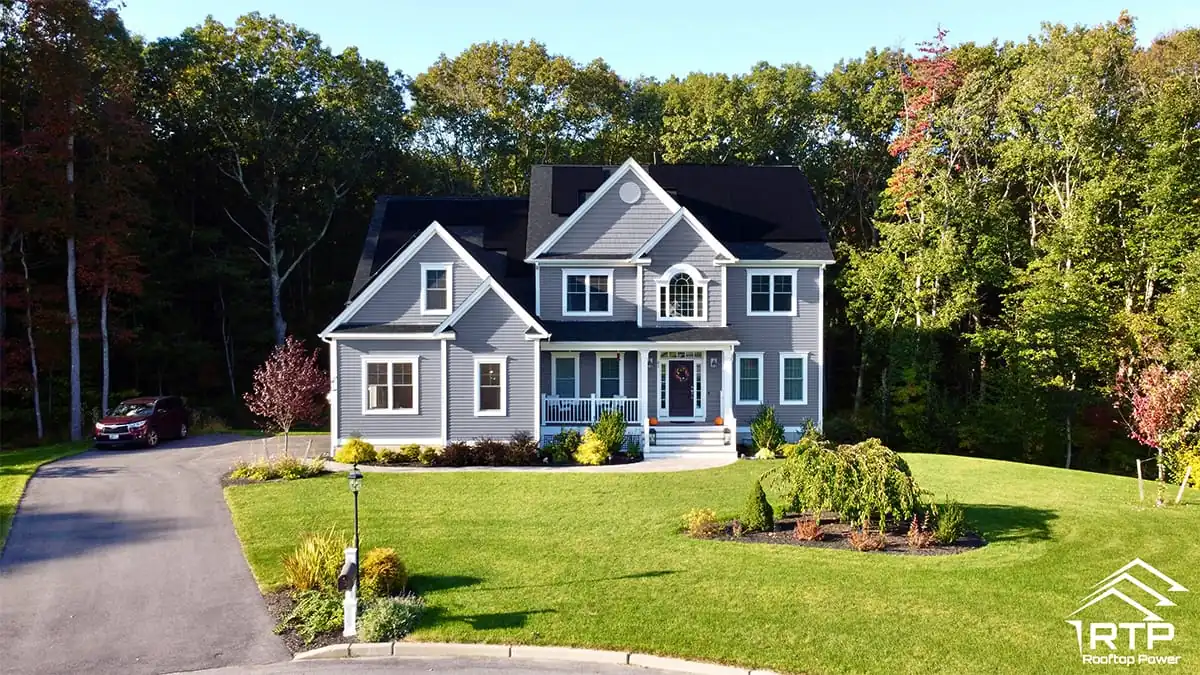
Plenty of homeowners went solar before batteries were common or affordable, and now want backup for the outages that keep getting longer. The good news is that most existing systems can accept a battery retrofit. What matters is how your current inverter is wired and whether it can talk to the storage you want to add.
There are two clean paths. Some systems pair well with an AC-coupled battery like a Tesla Powerwall 3 that sits alongside your existing inverter and takes over your essential circuits when the grid drops. Others are better served by replacing an aging inverter with a hybrid unit that handles solar and storage together. We check compatibility first, then design the path that gives you the most backup for the least rework.
A battery does more than keep the lights on. It stores the surplus your panels make during the day so you lean on the grid less at night, and it keeps your fridge, well pump, medical equipment and a few key circuits running when the power is out. We will tell you plainly whether a battery earns its place in your home or whether your money is better spent elsewhere.
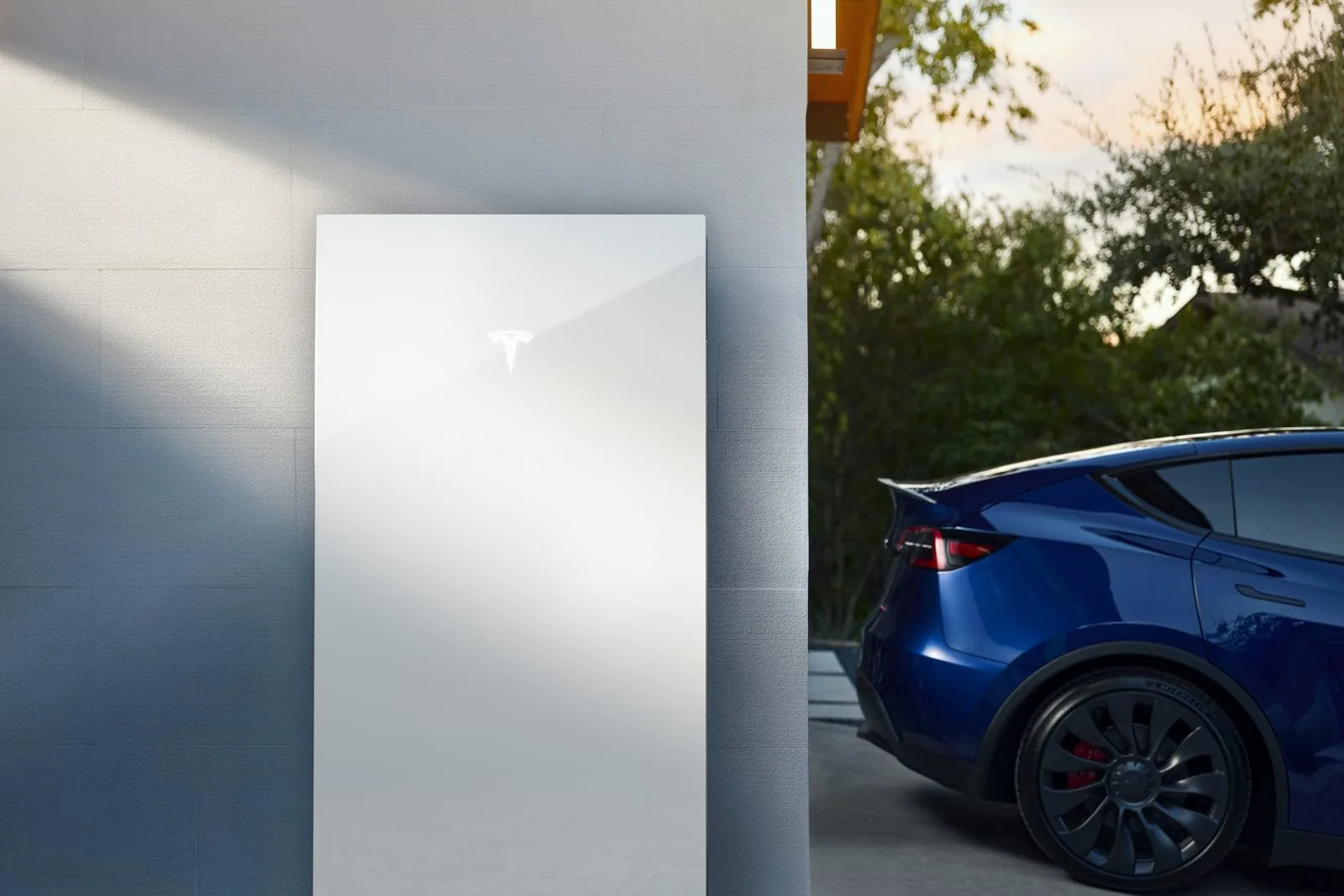
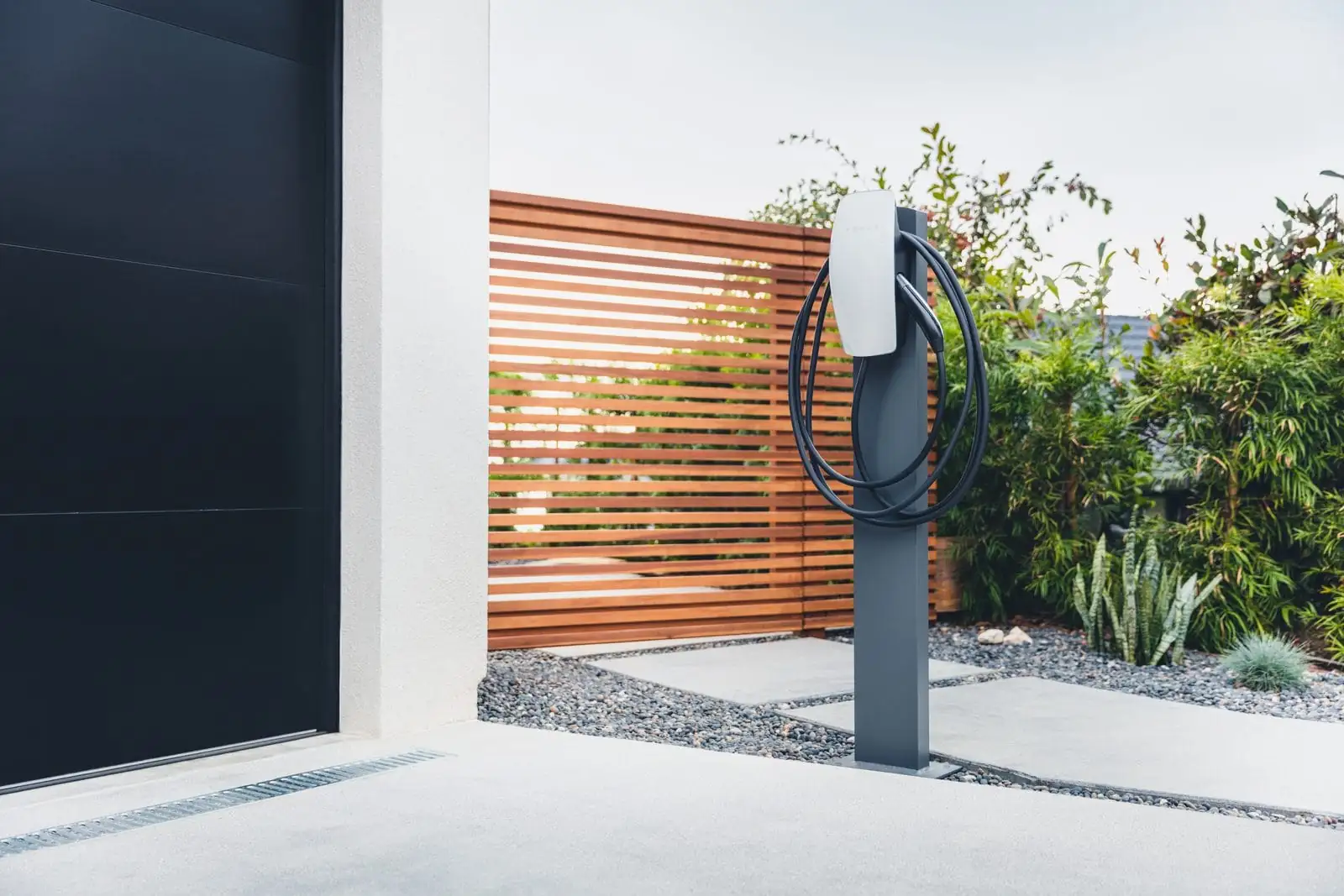
Charging an electric vehicle off your own roof is one of the most satisfying reasons to already have solar. A Level 2 charger like a Tesla Wall Connector fills the car far faster than a standard outlet and lets you schedule charging for the hours your panels are producing or when rates are lowest.
The install is rarely just the charger on the wall. A Level 2 unit draws real current, and many older electrical panels do not have a spare 40 or 60 amp slot to give it. Our electricians check your panel capacity first. If there is room, the job is quick. If the panel is full or undersized, we handle the service or panel upgrade as part of the same visit so you are not chasing a second contractor.
Because we are looking at the whole picture, we can also right-size any panel expansion to cover the car’s new draw at the same time. One crew, one design, one accountable team for the charger, the wiring and the solar behind it.
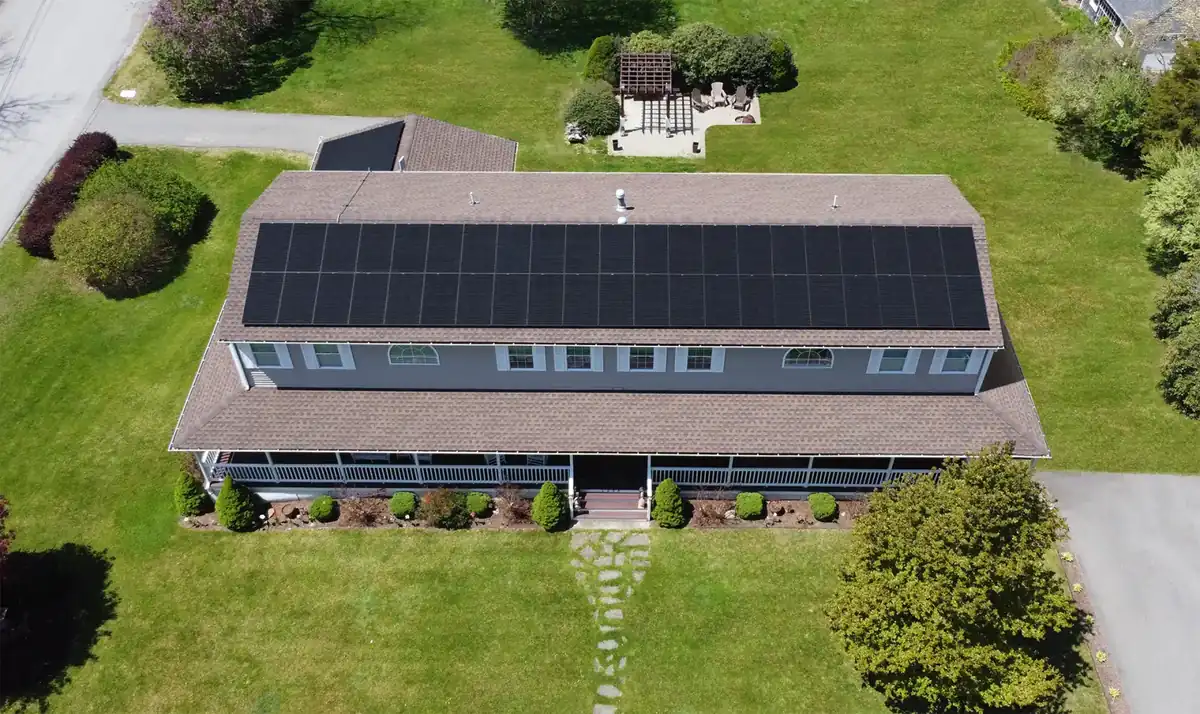
Thousands of New England homeowners bought systems from national installers that no longer exist. If your installer vanished, your monitoring is dark, or nobody answers the warranty line, we can help. Our team diagnoses, services and upgrades orphaned systems every week, and stepping up for stranded solar customers is part of how Rooftop Power earned its reputation.
We start with a full system health check: production history, inverter status, roof attachment condition and monitoring. We compare what your system is producing now against what it should produce for its size and location, which is often how we catch a failing inverter, a tripped string, or a dead monitoring gateway that has been quietly costing the homeowner for months.
Then you get an honest read on what is worth doing. Sometimes it is a simple monitoring swap so you can finally see your production again. Sometimes it is an inverter replacement that brings a starved array back to full output. Either way, from that point forward one local company owns your system, answers the phone and stands behind the work.
Adding to a solar system is not a bolt-on. Panels, batteries and chargers all interact with your inverter sizing, your electrical service, your roof structure and your utility interconnection agreement, and the rules differ across Rhode Island, Massachusetts and Connecticut. A well-run expansion respects all of them so the upgrade helps you instead of creating a headache later.
Compatibility is the first question. Not every new panel plays nicely with an older inverter, not every battery pairs with every system, and not every panel can be mixed into an existing string without hurting output. We confirm the equipment works together before anything is ordered, so you are not left with parts that fight each other.
Then there is the paperwork that makes it legal and keeps your program standing intact. Real expansions require permits, an updated interconnection filing with your utility, and a final electrical inspection, and a larger system can touch your net metering or state program terms. We pull the permits, refile the interconnection correctly and coordinate the inspection, so the finished job is signed off and your Rhode Island Energy, Eversource, National Grid or United Illuminating standing stays clean.
When an add-on goes wrong, it is almost always because two companies touched the same system and neither one owns the result. The original installer blames the new work, the new contractor blames the original design, and the homeowner is stuck in the middle with a system that no longer performs. Using one accountable local team removes that gap entirely.
Rooftop Power runs its own in-house crews of electricians, roofers and solar installers. The people who diagnose your system are the same people who design the upgrade, install it and service it afterward. There is one number to call, one warranty conversation and one company that answers for how the whole thing works, whether or not we built the original array.
That matters even more when the upgrade touches your roof or your main electrical panel. As a licensed RI, MA and CT roofing and solar company with a BBB A+ rating and 4,000+ projects behind us, we can handle a panel upgrade, a roof repair and a solar expansion as a single coordinated project instead of three separate jobs you have to referee.
Most add-on conversations touch one of three neighbors: storage for backup, charging for a new EV, or ongoing service to keep the whole system healthy. Here is where to read more on each.
Add backup and hold your daytime surplus. We retrofit storage onto most existing systems.
Learn MoreA Level 2 charger, plus any panel capacity it needs, installed by our own electricians.
Learn MoreSystem health checks, inverter fixes and monitoring repairs, on systems we built or inherited.
Learn MoreWorking with Rooftop Power has been exceptional. From the beginning everyone at RTP kept me informed at every step. When a hiccup happened it was addressed immediately and resolved.
The installation crew was punctual, respectful, and left the job site spotless. I was particularly impressed with their attention to detail from the first consult to the final inspection.
Had a great solar experience with Rooftop Power from start to finish. We ended up getting a new roof and electrical upgrade for the install and used RP for both.
Whether we installed it or not: a straight assessment of what your system does today and what it could do.