
There is no one right way to pay for solar. There is the right way for your house, your bills and your plans. Rooftop Power offers four, three of them with nothing down, and we show you the real math on each before you sign anything.
A solar loan is the most common path for a reason. It lets you own the system and every kilowatt hour it produces while you spread the cost over time, usually with nothing down. You are not renting equipment, you are buying an asset that sits on your roof and offsets a bill you were going to pay anyway.
The comparison that matters is the loan payment against your old utility bill. Your power was never free. You were already sending Rhode Island Energy, Eversource, National Grid or United Illuminating a check every month, at a rate that has climbed year after year. A loan trades that floating, rising payment for a fixed one you control, and in most designs the monthly number lands at or below what you were paying the utility.
The other half of the picture is what happens when the loan is done. Once it is paid off, the production keeps coming and there is no payment behind it, so the back half of the system’s 25-plus year life is the payoff. You also keep the ownership benefits along the way: the system is yours from day one, and the agreement is transferable if you sell the house.
Loans fit homeowners who want ownership and long-term value without writing a large check up front. Lender terms and rates depend on your credit and the amount financed, which we review with you in plain language before anything is signed.
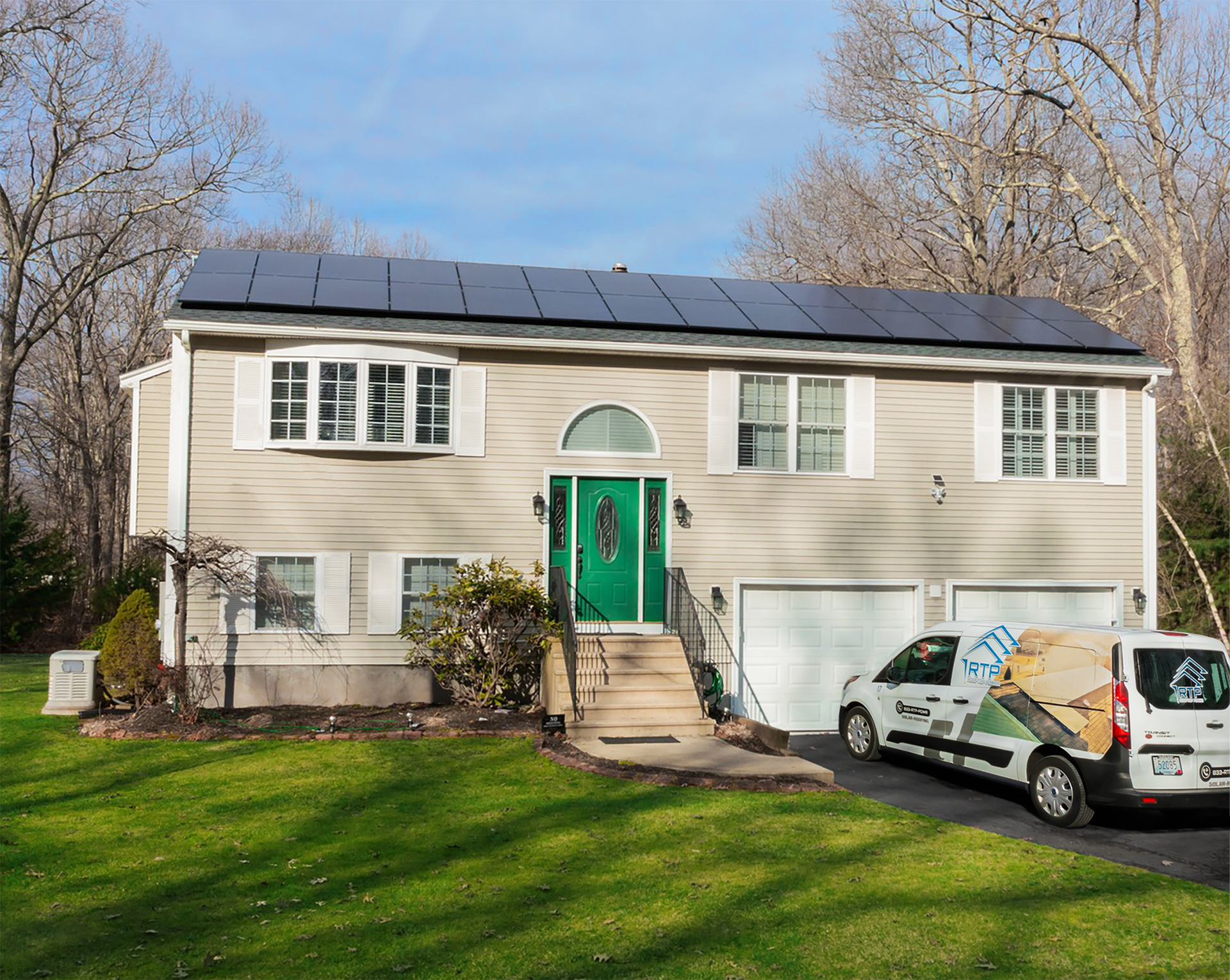
Paying cash is the simplest arrangement and the strongest long-term position. You own the system outright the day it turns on, there is no financing cost layered on top, and every kilowatt hour it produces goes straight to offsetting your bill with no interest working against it.
Because there is no loan, a cash purchase delivers the best lifetime value of the four options. You skip years of interest, and after the shortest payback period of any path the system is pure production. For a homeowner who thinks in decades, that is the whole case.
Cash also gives you the cleanest ownership story when you sell. An owned, paid-off system conveys with the house and tends to add value, with no agreement for a buyer to assume and nothing to settle at closing.
This option fits homeowners with capital to invest who want maximum return and zero monthly obligation. We put the full payback math for your actual usage in writing before you decide, so the number you are comparing against is your real bill, not a brochure average.
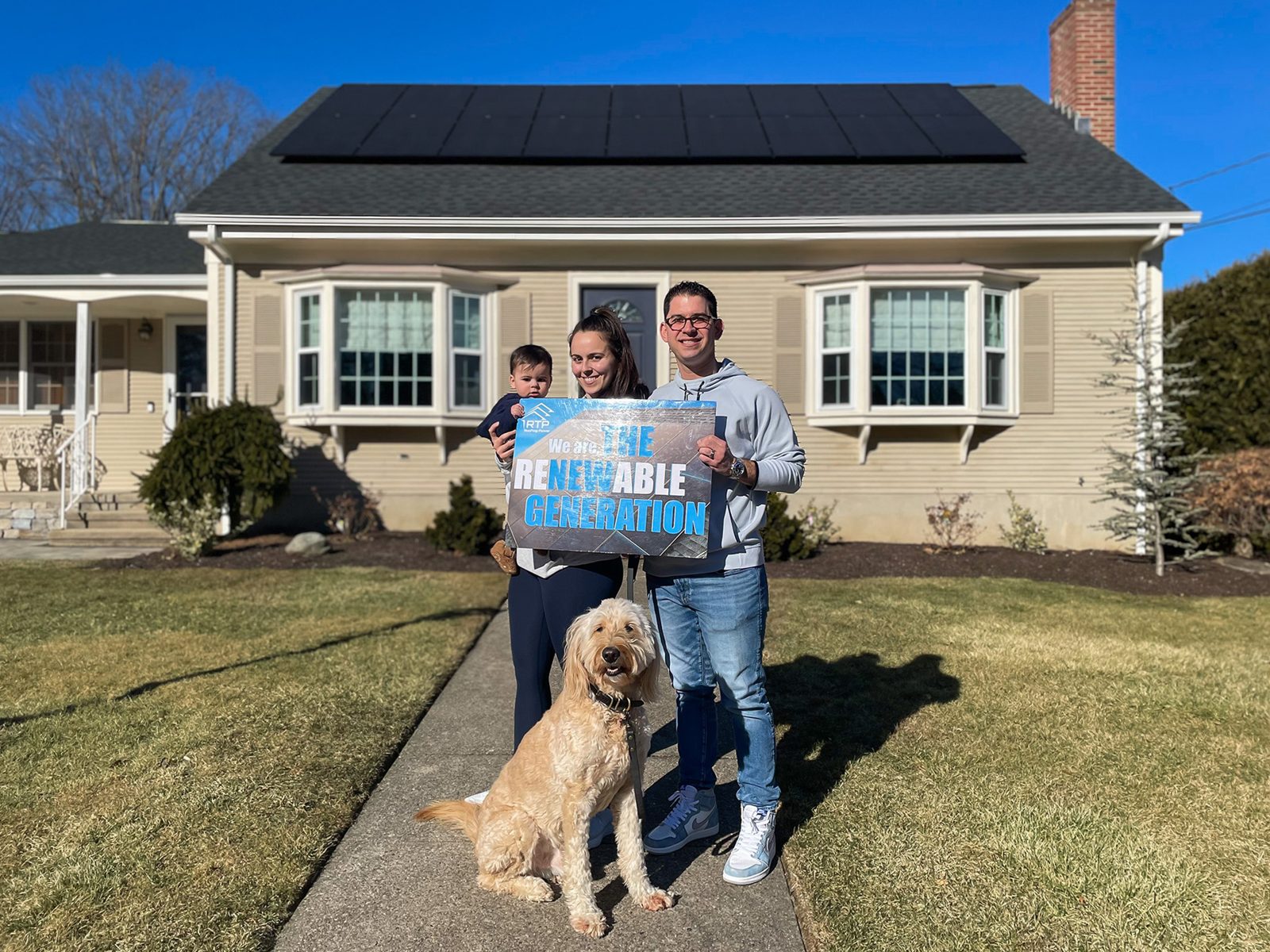
A power purchase agreement, or PPA, starts with nothing down and works differently from a loan or a cash purchase. The system on your roof is owned and maintained by the provider, and you simply buy the power it produces at a set rate, typically below what your utility charges. One number per kilowatt hour, and nothing to service.
The appeal is simplicity and a lower rate for cleaner power without owning the hardware. You do not manage warranties, monitoring or maintenance, because the provider does. Your job is to use the power the panels make and pay the agreed rate for it, which is set the day the agreement begins rather than floating with the market.
Because a PPA is a purchase of power rather than equipment, it suits homeowners who want the savings of solar without taking on ownership, including those who prefer to keep it that simple. The agreement is transferable to a buyer if you sell.
As with every option, we lay out the PPA rate and terms next to your current utility cost so you can see exactly what you would be paying and why it makes sense for your home before you commit.
A solar lease is the most accessible way onto solar we offer. You put nothing down and pay a flat, predictable monthly amount for the system on your roof, with insurance and maintenance included in that number. There is no separate rate to track and no equipment responsibility on your shoulders.
The lease is built for approachability. There is no income requirement and no minimum credit score, so it opens the door for homeowners a loan or PPA might not fit. You still get clean power and a fixed monthly cost that does not climb the way a utility bill does.
Where a loan builds toward ownership, a lease is about simplicity and a predictable number. You are paying for the use of the equipment, and the provider handles the rest, from insurance to upkeep, for the life of the agreement.
A lease fits homeowners who want the easiest possible entry, a single fixed payment and zero responsibility for the hardware. Like the loan and PPA, it is transferable if you decide to sell.
Whichever way you pay, the value of a solar system rests on more than the panels. Net metering is the mechanism that makes the annual numbers work. In all three states we serve, it credits you for the surplus power your system sends back to the grid on long summer days, and those banked credits offset the power you draw at night and through the winter. A correctly sized system leans on net metering to cover much of a full year’s usage.
State programs sit on top of net metering and vary by where you live and who your utility is. In Rhode Island, the Renewable Energy Growth performance tariff and the Renewable Energy Fund grant are both active. Massachusetts runs the SMART program. Connecticut runs Renewable Energy Solutions. These programs affect the real economics of a system, and they shift often, so the current rules are what matter, not last year’s.
This is exactly why we design around your actual usage and your actual utility rather than a regional example. The way net metering and a state program interact with a loan, a cash purchase, a PPA or a lease is different for each, and we account for that in the numbers we show you.
Eligibility depends on your home, your utility and current program rules, so we confirm precisely what your address qualifies for and put it in writing. If the annual math does not work for your roof, you will hear that before you sign, not after.
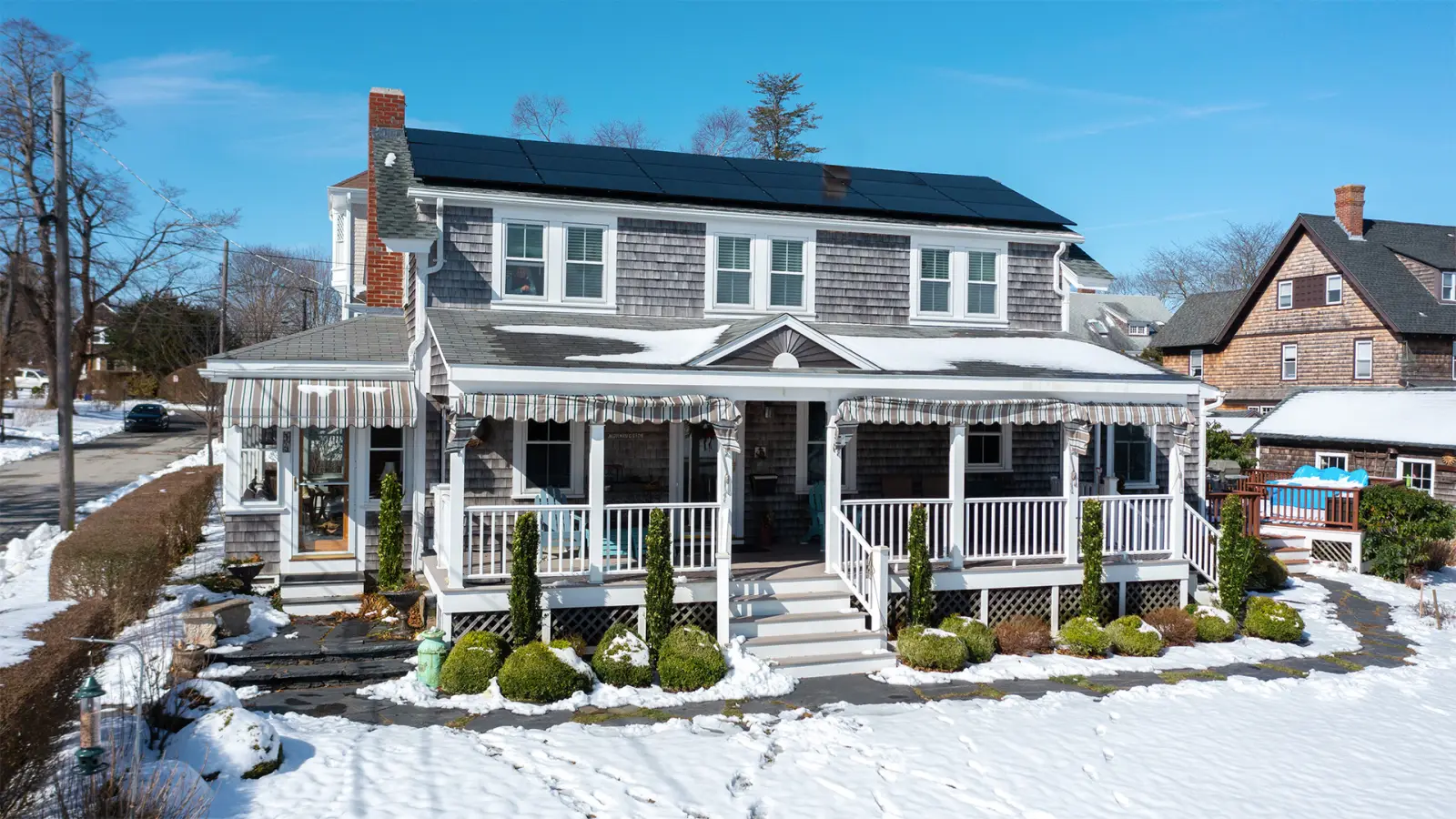
Qualification is not one hurdle, it is different for each option, and that is a good thing because it means there is usually a path that fits. Loans and PPAs carry lender requirements we review with you openly. The lease has no minimum credit score and no income requirement. A cash purchase has no qualification at all beyond deciding to buy. We walk you through which options your situation opens.
What we never do is quote guaranteed dollar savings or wave a number around to close you. Your result depends on your usage, your roof, your utility and the option you choose, so the honest answer is to show you the actual figures rather than a promise. We put your system’s production estimate next to your real bill, line by line, and next to the monthly cost of each way to pay.
That written side-by-side is the deliverable. You see the monthly number and the lifetime picture for the loan, cash, the PPA and the lease, all built on your address and your consumption, so the comparison is real. Nothing is hidden behind a verbal pitch or a slide you never get to keep.
We also will not steer you toward the option that pays us the most. If cash is clearly your strongest move, we will say so. If a lease is the only path that fits your situation, we will say that too. The math does the arguing.
Financing is one piece. Here are the related decisions homeowners weigh alongside how to pay:
See how a full home solar system is designed, permitted and installed by our own in-house crews.
Learn MoreAdd a battery so your essential circuits keep running through an outage, on any payment option.
Learn MoreThe honest 2026 case for going solar in New England, from rising rates to net metering.
Learn MoreSee the real price ranges, what drives the number, and how SMART and net metering change the math before you choose how to pay.
Learn MoreFifteen minutes with your utility bill usually answers it. We put all four options side by side with your actual usage and roof, show the monthly number and the lifetime picture for each, and let the math speak. If ownership and long-term value matter most, a loan or cash tends to win. If simplicity and the easiest possible entry matter most, a PPA or a lease often fits better.
There is no universally best option, only the best one for your house, your budget and your plans. A homeowner with capital who thinks in decades and a homeowner who wants a single fixed payment with nothing to manage will land in different places, and both can be right.
One honest note on incentives: the 30 percent federal residential tax credit ended for systems placed in service after 2025, so ignore anyone still selling it as a current benefit. The New England math never depended on it alone. State programs like net metering, Rhode Island’s Renewable Energy Growth and Renewable Energy Fund, Massachusetts’ SMART and Connecticut’s Renewable Energy Solutions continue to do the heavy lifting, and we confirm exactly what your home qualifies for.
The next step is simple and free. Bring your recent bills, we assess your roof, and you leave with real numbers in writing for all four ways to pay. No guaranteed savings claims, no pressure, just the honest picture for your home.
Free assessment, no pressure. We put the loan, cash, PPA and lease math side by side for your home, in writing. Call 401-298-8040.