
Incentives are where solar companies exaggerate most, so here is our standard: we only describe programs that exist right now, we tell you plainly that the federal credit ended, and we verify your exact eligibility before you sign anything. This is the hub. Each state runs its own programs, and the state pages below go deep on each one.
The 30 percent federal tax credit ended for systems placed in service after 2025. Any company still leading its 2026 pitch with that credit is selling the past, and that should tell you something about the rest of what it is promising.
The good news is that the New England solar math never rested on the federal credit alone. Electricity here is among the most expensive in the country, and the state-level programs below are alive and doing the heavy lifting. Rhode Island, Massachusetts and Connecticut each run their own incentives, and every one of them is still active in 2026.
So this page does two jobs. It explains the programs and payment mechanisms that make solar work across all three states, and it hands you off to the state page that fits your address. If you take one thing from it, take this: the honest 2026 case for solar stands on real programs, not an expired federal credit.
Net metering is the foundation in all three states we serve, and it is the mechanism most homeowners misunderstand. When your system produces more power than your home is using, the surplus flows back to the grid and your utility credits your account for it. Those credits then offset the power you draw at night, on cloudy days and through the winter.
The reason it matters is seasonal. A well-designed system produces more than you use on long summer days and less than you use in the short days of winter. Net metering is the bridge between the two: your summer overproduction banks credits that carry you through the darker months. That is how a correctly sized system covers so much of an annual bill even though the sun is not shining every hour you need electricity.
The exact rules differ by state and by utility, which is why we design around your real usage instead of a brochure average. In Rhode Island that means Rhode Island Energy. In Massachusetts it means Eversource or National Grid. In Connecticut it means Eversource or United Illuminating. We model a full year on your actual roof, and if the annual math does not work, we tell you before you sign, not after.

Rhode Island homeowners have two state programs beyond net metering. Renewable Energy Growth, or REG, is a performance-based tariff: instead of taking net metering credits, you enroll your system and get paid a fixed rate for every kilowatt hour it produces under a multi-year term. For some homes the guaranteed per-kWh payment beats net metering, and for others it does not. REG and net metering are separate paths that cannot be combined.
The Renewable Energy Fund, or REF, is administered through Commerce RI and offers grant funding that reduces the up-front cost of a residential system. Grant rounds run in cycles with their own windows and funding caps, so the honest answer on what you can get is date-dependent. REF pairs with net metering but not with REG. On top of both, Rhode Island exempts residential solar equipment from sales tax and exempts the system from property tax assessment, so the value solar adds to your home does not raise your property taxes.
Because these programs move, we confirm the current round and current rates for your exact address during your free assessment rather than quoting last cycle’s numbers. The full Rhode Island breakdown lives on our Rhode Island incentives page.
Massachusetts runs the SMART program, which stands for Solar Massachusetts Renewable Target. It is a per-kilowatt-hour incentive administered across the Eversource and National Grid service territories, paid over a fixed term for the power your system produces. It works alongside Massachusetts net metering rather than replacing it, so a Massachusetts homeowner is typically stacking two mechanisms at once.
Under SMART 3.0, home systems of 25 kilowatts or less earn a flat per kilowatt hour rate that the state sets each program year, $0.03 in 2026, which is one more reason current program status matters. The value you see depends on your utility, your system size and the rate in effect when you qualify. Massachusetts also protects the investment with a sales tax exemption on solar equipment and a property tax exemption on the added home value.
We keep the Massachusetts guide current and verify your address-level eligibility during the assessment. The full detail, including how SMART interacts with net metering for your specific utility, is on our Massachusetts incentives page.

Connecticut replaced its older net metering structure with the Renewable Energy Solutions program, run through Eversource and United Illuminating. It offers two tariff paths for residential solar, and the one that fits depends on how much of your own production you use on site versus send to the grid. The two paths pay differently, so choosing between them is a real decision, not a formality.
Connecticut also has the Connecticut Green Bank, which supports financing options that can lower the barrier to going solar, and the state provides sales and property tax exemptions on residential renewable energy systems. Between the tariff choice, the financing support and the exemptions, a Connecticut homeowner has a genuine set of levers to pull, and pulling the right ones is where an experienced installer earns its keep.
We model both Renewable Energy Solutions paths against your actual usage so you can see which one serves your household before you commit. The full Connecticut picture is on our Connecticut incentives page.
Incentives only tell half the story. How you pay for the system determines how that program value reaches you, and Rooftop Power offers four options. A solar loan lets you own the system and its production while spreading the cost over time. Paying cash owns it outright for the strongest long-term position. A power purchase agreement, or PPA, means you pay only for the power the panels produce at a set rate. A lease is a fixed monthly payment for the equipment. Three of the four start at $0 upfront.
Program value flows differently depending on which you choose. Own the system through a loan or cash and the tariff payments and tax exemptions work for you directly. Choose a PPA or lease and the provider’s ownership is part of why your rate can sit below the utility’s. Neither is automatically better. It depends on your household, your tax situation and how long you plan to stay in the home.
We walk through all four side by side with your real numbers, in writing, and we never push the option that pays us the most. Our financing guide breaks down each structure in more detail, and the right fit often becomes obvious once the numbers are on the table.
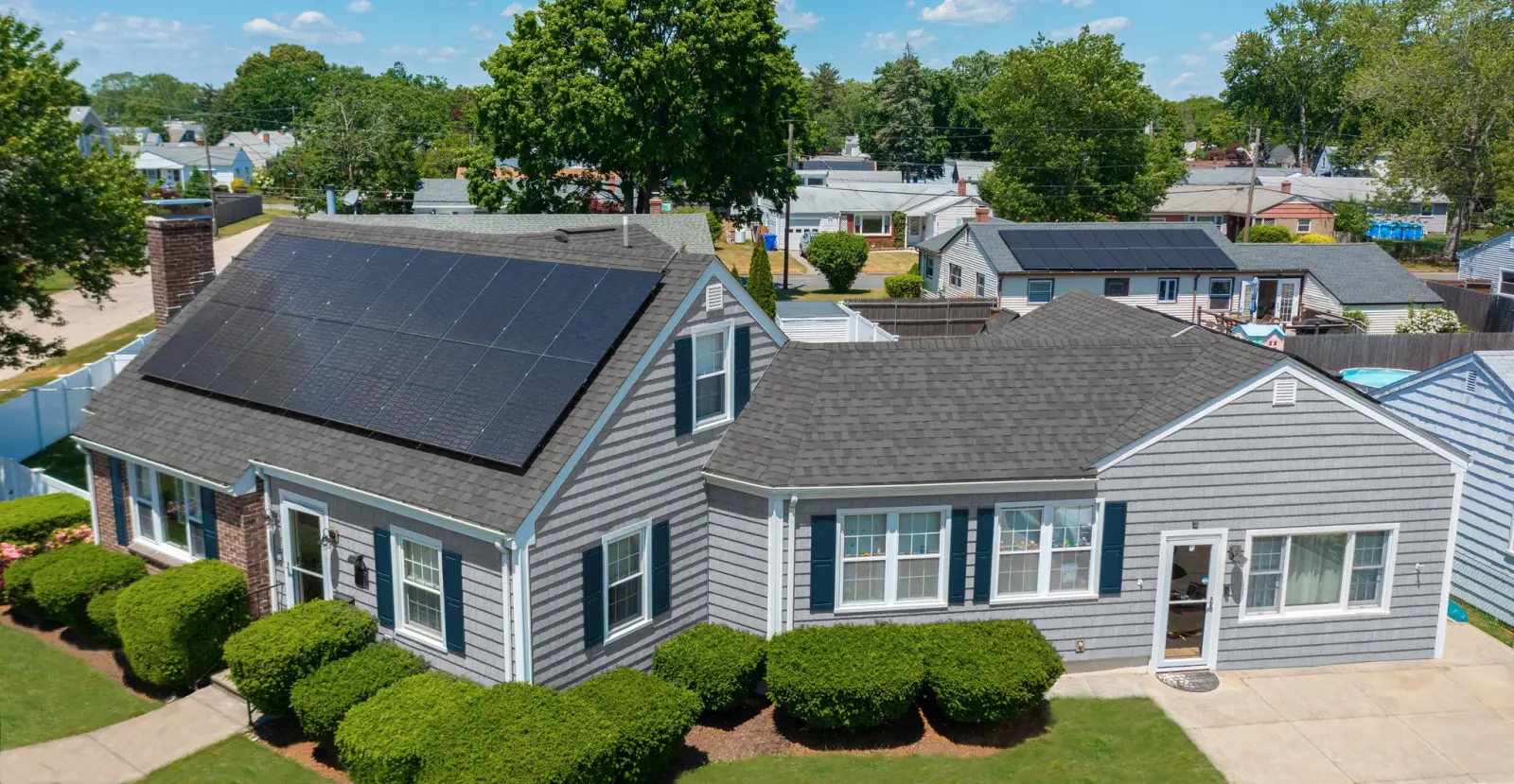
Each state runs its own programs with its own rules, its own utilities and its own timing. These three guides go deep on what a homeowner in each state actually qualifies for in 2026. We keep them current and verify your address-level eligibility during your free assessment, then put the real numbers for your home in writing.
Net metering, the Renewable Energy Growth tariff, the Renewable Energy Fund grant, and state tax exemptions.
Learn MoreThe SMART per-kilowatt-hour incentive, net metering, and the property and sales tax exemptions.
Learn MoreThe Renewable Energy Solutions program’s two tariff paths, Green Bank financing, and tax exemptions.
Learn MoreThe fastest way to get burned on a solar contract is to sign against a headline incentive number that does not actually apply to your home. Program rates are reset every year. Grant cycles open and close. Tariff paths depend on your usage pattern and your utility. A number that was true last quarter, or true for your neighbor, may not be true for you today.
That is why Rooftop Power confirms exactly what you qualify for and puts it in writing before anything is signed. We check the current program status for your address, model the mechanisms that apply to your actual roof and usage, and show you real numbers, not a brochure average. With 3,000+ projects across Rhode Island, Massachusetts and Connecticut, we work inside these programs every week, so we know when a rule has changed before it shows up in a sales pitch.
It is the same standard our reviews keep naming: no hype, no expired credits dressed up as current, no pressure. Just the honest math for your home, in writing, so you can decide with open eyes.
Programs change often. We check what your home qualifies for right now and put the real numbers in writing, free.