
When considering solar panel installation in New England, the choice of roofing materials plays a crucial role in system efficiency and longevity. As more homeowners adopt sustainable energy solutions, understanding which roofing options are ideal for solar compatibility is essential. This article delves into the best roofing materials suited for solar installations, their performance characteristics, and the impact of New England’s unique climate on these choices. Additionally, it addresses integration challenges and suggestions for optimal solar panel mounting techniques.
Best Roofing Materials for Solar Panels by Rooftop Power
Choosing the right roofing materials is vital for maximizing the performance and lifespan of solar panel systems. The best materials for solar compatibility in New England typically include asphalt shingles, metal roofing, and solar shingles. These materials not only provide adequate support for solar panels but also enhance energy efficiency.
- Asphalt Shingles: This popular roofing material is widely used due to its affordability and decent performance with solar panels. Asphalt shingles are lightweight, making them easy to install. They also handle seasonal weather changes commonly seen in New England.
- Metal Roofing: Metal roofing is another excellent choice for solar installations. Its durability and resistance to extreme weather conditions make it particularly suitable for the New England climate. Metal roofs also reflect sunlight, enhancing the efficiency of solar panels.
- Solar Shingles: Solar shingles integrate solar technology directly into the roof, providing a dual function of roofing and energy generation. Though more expensive, they offer an aesthetically pleasing solution for homeowners.
How Do Asphalt Shingles Perform with Solar Panel Installations?
Asphalt shingles offer a balanced blend of cost-effectiveness and solar compatibility. Their lightweight nature ensures easy installation of solar panels, which is a significant advantage for properties with structural concerns. Performance metrics, especially during winter, are commendable as they handle snow well. However, installation considerations such as proper ventilation must be considered to prevent heat buildup, which can reduce panel effectiveness. The comparative cost advantage of asphalt shingles over metal options makes them a favorite among budget-conscious homeowners pursuing solar energy.
What Makes Metal Roofing Ideal for Solar in Southern New England?
Metal roofing stands out as a prime choice for solar installations in Southern New England for several reasons. First, its durability against harsh weather conditions, including heavy snow and strong winds, makes it a reliable option. Second, metal roofs are highly energy-efficient due to their reflective properties, which can help to further lower energy costs. Finally, the adaptability of metal roofs to accommodate various solar panel layouts enhances their appeal for homeowners looking to maximize their solar investment.
Research into the structural integrity of these installations highlights how specialized hardware ensures safety and reliability in challenging climates.
Standing Seam Metal Roofs for Solar Panel Mounting
Such systems are also suitable to support various devices to the most common case is represented by photovoltaic modules, but they can potentially be other lightweight structures to be integrated on the surface to connected to the metal panels by special anchor clamps. The in-service behavior of such systems in standard conditions is generally investigated by manufacturers in terms of load bearing capacity, wind uplift resistance and water tightness using methods widely discussed in the literature. experimental testing methods for the performance control of standing seam roofing systems for large-roof applications and photovoltaic systems integration, G Scrinzi, 2022
How Does New England's Climate Affect Roofing Choices for Solar?
New England’s unique climate, characterized by cold winters, warm summers, and varied precipitation, significantly influences roofing material selection. Solar panel installations must account for factors like snow accumulation and ice dam formation, which can affect roof integrity and system performance.
What Are the Snow and Wind Resistance Requirements for Solar Roofs?
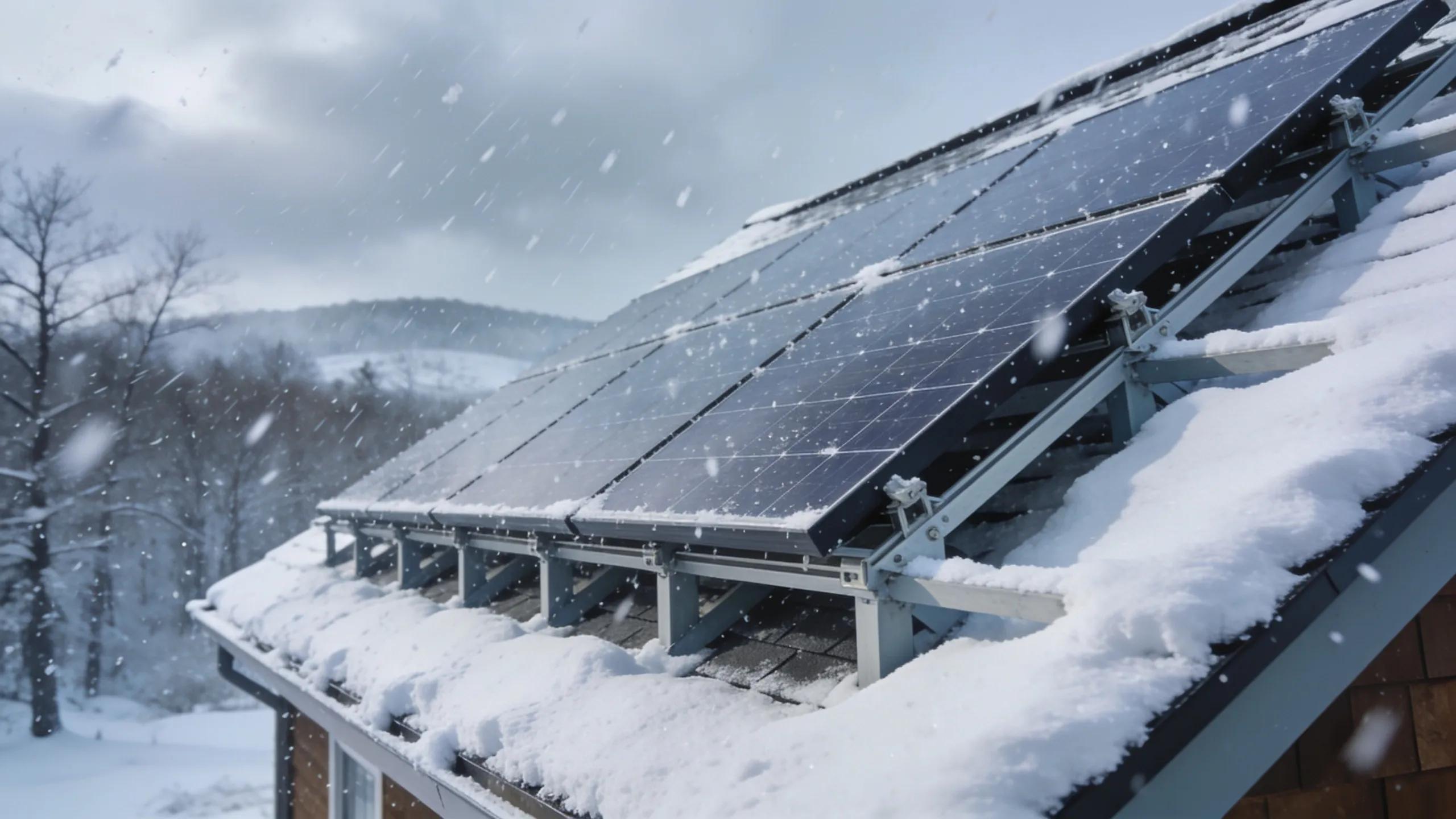
In New England, the snow load requirements for roofs are stringent, and roofing materials must be able to withstand these loads effectively. Local building codes often dictate specific structural considerations to ensure roofs can handle heavy snowfall. Additionally, the materials must also resist high winds during storms, ensuring the safety and stability of solar installations.
| Roofing Material | Snow Load Capacity | Wind Resistance |
|---|---|---|
| Asphalt Shingles | Moderate | Good |
| Metal Roofing | Excellent | Very Good |
| Solar Shingles | Good | Moderate |
The right installation methods and materials can help homeowners meet these requirements, ensuring solar panels perform optimally despite environmental challenges.
How Does Roof Pitch Influence Solar Panel Efficiency and Installation?
The angle of a roof, or pitch, significantly impacts solar panel efficiency. Generally, roofs with a pitch between 30° and 45° are ideal for solar installations, as they allow for optimal sunlight exposure. The measurement of roof pitch is crucial for ensuring panels are positioned at the correct angle to maximize energy capture. In regions prone to heavy snowfall, steeper pitches can also help facilitate snow shedding, enhancing overall solar efficiency.
What Are the Roofing Options and Mounting Materials for Solar?
Homeowners have several roofing options and mounting materials available for solar panel installations. Each option caters to different aesthetic preferences and functional requirements while ensuring compatibility with solar panel systems.
- Rooftop Mounting: This common method involves attaching solar panels directly to existing roofing. It is typically suitable for most residential roofing materials.
- Ground Mounting: For properties with adequate yard space, ground-mounted systems offer flexibility in positioning and can accommodate larger arrays, increasing energy capture.
- Building-Integrated Photovoltaics (BIPV): This innovative solution integrates solar technology directly into architectural designs, such as solar shingles. BIPV serves both as a roof and a power source, leading to space savings and aesthetic advantages.
Which Solar Roof Mounting Methods Are Compatible with Different Roof Types?
Different roofing types require specific mounting methods to ensure effective solar panel installation. Some common mounting systems include:
- Flash Mounts: Often used with asphalt shingles, providing a secure fit and effective waterproofing.
- Standing Seam Clamps: Designed for metal roofs, these clamps attach directly to the seams without penetrating the metal, reducing leak risks.
- Ballasted Systems: Common in flat roofing applications, these systems use weight to anchor the panels.
By understanding these options, homeowners can select the best mounting methods compatible with their chosen roofing materials.
How Durable Are Roofing Materials When Supporting Solar Panels?
The long-term durability of roofing materials plays a crucial role in supporting solar panels effectively. Considering factors such as material composition, resistance to deformations, and environmental impacts is essential when making a selection.
Asphalt shingles typically last about 20-30 years, while metal roofs can provide service for 40 years or more. Understanding these lifespans is vital for planning solar installations that will last over time without requiring replacements or significant maintenance.
How Do Roofing Material Lifespans Compare With Solar Installations?
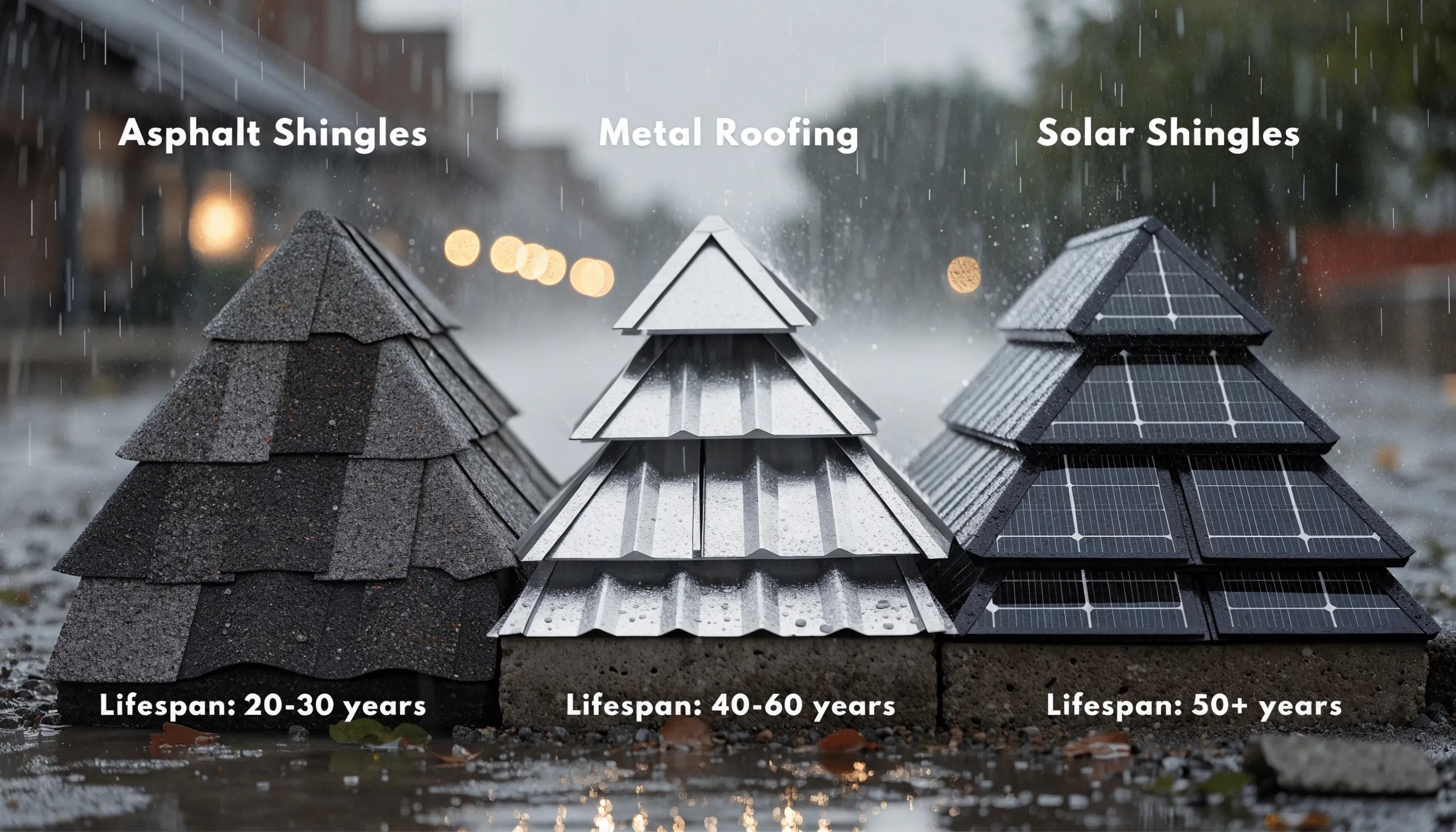
Comparing the lifespan of various roofing materials helps homeowners make informed decisions regarding solar installations. Here’s a brief comparison:
| Roofing Material | Lifespan with Solar Panels | Maintenance Needs |
|---|---|---|
| Asphalt Shingles | 20-30 years | Moderate |
| Metal Roofing | 40-50 years | Low |
| Solar Shingles | 25-35 years | Moderate |
Selecting a durable roofing material can yield long-term benefits, ensuring that solar panels remain effective without incurring excessive replacement costs.
When Should Roof Replacement Be Timed for Solar Panel Installation?
Timing is critical when planning roof replacements relative to solar panel installation. Ideally, homeowners should replace a roof within a year of installing solar panels to avoid potential damage and added costs down the line. Signs that a roof needs replacement include curling or missing shingles, discoloration, and leaks. Additionally, the best time for replacement often aligns with milder weather conditions, minimizing installation disruptions.
Regional Considerations for Solar-Ready Roofing in RI, MA and CT
When considering solar-ready roofing options, regional regulations and incentives are crucial. Understanding local building codes can guide homeowners in selecting appropriate materials and methods for solar installations. Furthermore, many states in Southern New England provide incentives for adopting solar-compatible roofing, encouraging homeowners to invest in sustainable energy solutions.
How Do Local Building Codes Impact Solar Roof Material Selection?
Local building codes across Rhode Island, Massachusetts, and Connecticut can vary significantly. These regulations often dictate minimum requirements for material quality, structural integrity, and energy efficiency. Homeowners should consult with local building officials or contractors to ensure compliance with these codes prior to installation.
What Incentives Drive Adoption of Solar-Compatible Roofing in Southern New England?
Rhode Island, Massachusetts and Connecticut each run their own incentive and net metering programs, and eligibility depends on your utility, your municipality and the specifics of your system. Because these programs change and not every address qualifies for the same ones, we confirm which apply to your property and put them in writing before anything is signed.
Related Reading
Thinking about solar for your home?
Get a free, no-pressure quote with the real numbers for your roof, in writing.