
Massachusetts Solar Rebates: What You Need to Know to Maximize Savings in 2026
By Hyrum Bond, Rooftop Power
Massachusetts is leading the way in renewable energy, particularly with its solar incentives designed to encourage residents and businesses to adopt solar energy systems. Understanding these incentives is crucial for potential solar customers to maximize their savings. This article delves into the intricate landscape of Massachusetts solar rebates available in 2026, including eligibility requirements, rebate amounts, and the comprehensive application process. For many prospective solar owners, navigating this landscape can be daunting, but with the right information, you can leverage these rebates to significantly offset the costs of solar installation. Key areas we will cover include an overview of key rebate programs, qualification criteria for state and federal incentives, and detailed instructions for the application process to ensure you capitalize on these offerings.
Eligibility Requirements

To qualify for Massachusetts solar rebates, applicants must meet specific eligibility criteria established by the state and respective utility providers. The qualifications typically hinge on the type of installed system, the applicant’s utility provider, and compliance with performance standards. Common eligibility points include:
- Utility Provider: Different rebates may vary by the utility company serving the area.
- Performance Standards: Systems must meet technical and performance specifications set forth by state guidelines.
- System Type: Both new and existing solar installations can apply for rebates, depending on local regulations and eligibility factors.
Understanding these foundational requirements is essential to making sure your solar application stands the best chance for success.
Maximizing Your Massachusetts Solar Savings in 2026
Massachusetts solar rebates vary widely, depending primarily on the program and the specific solar technology installed. The SMART Program remains one of the key influences on rebate amounts, with rates and eligibility varying by utility and program. Residents are encouraged to verify what rates they qualify for as compensation is not guaranteed. Moreover, residents can benefit from net metering, which may enhance financial returns on their solar investments, but again rates and credits vary based on specific circumstances. Key rebate insights include:
- SMART Program Overview: Provides compensation rates that depend on the size of the solar installation and vary by program and utility.
- Net Metering Benefits: Allows for potential credits on utility bills for excess energy produced, but these credits vary and are subject to terms defined by the utility.
- Tax Exemptions: Homeowners may also benefit from state tax exemptions related to installations.
These financial incentives highlight the state’s commitment to making solar energy both accessible and affordable, but customers should inquire about specific terms and conditions applicable to their situation.
Application Process
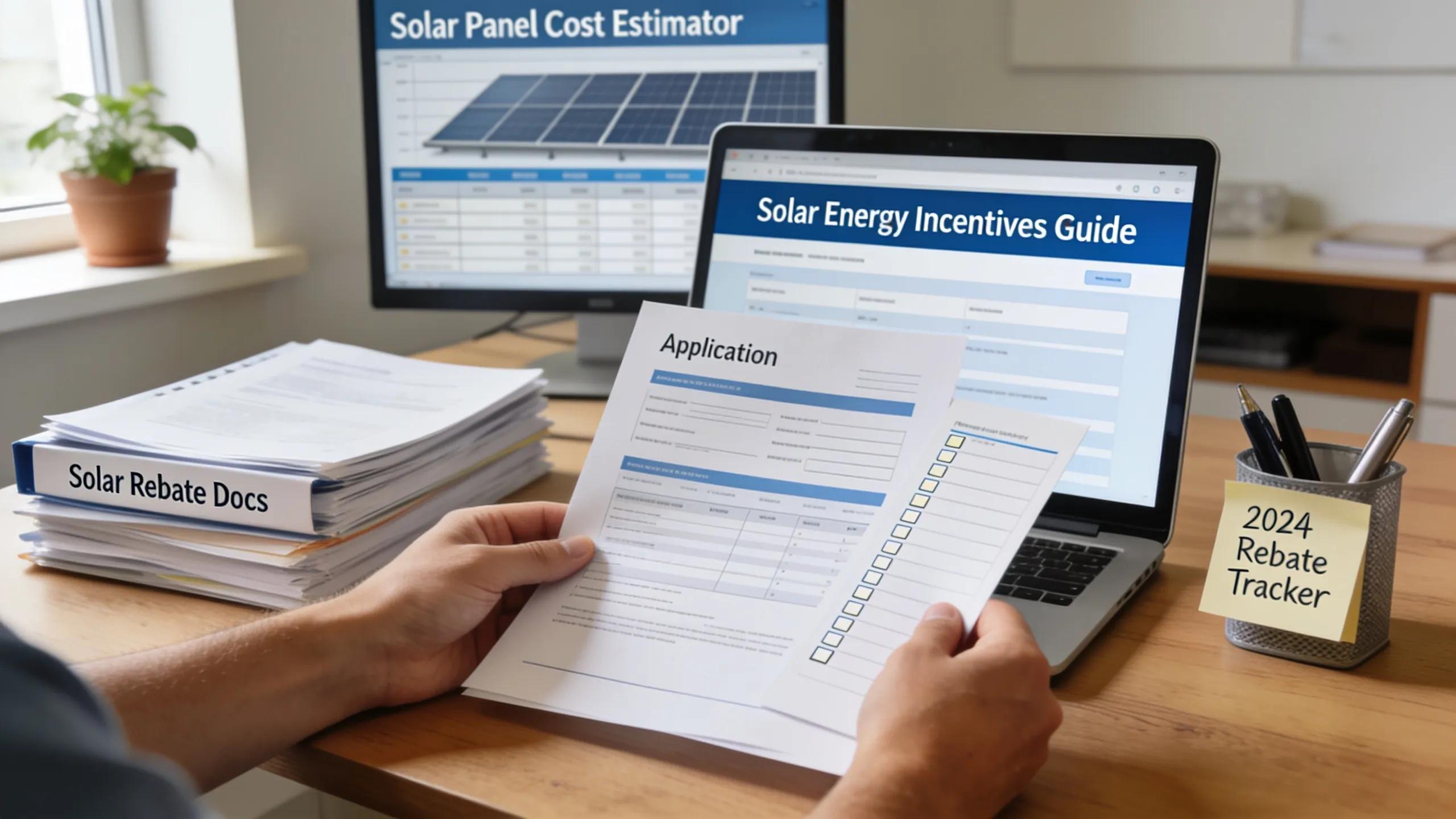
Navigating the application process for Massachusetts solar rebates involves several critical steps to ensure complete and timely submission. Understanding this process can help eliminate common pitfalls and significantly enhance the chances of approval. The essential steps are:
- Initial Assessment: Homeowners should conduct a complete assessment of their solar needs and suitability.
- Documentation Preparation: Collecting necessary documentation, such as installation contracts and system specifications, is vital.
- Submission: After gathering documentation, applicants must submit the application through the proper channels established by their utility providers.
Familiarity with this process can streamline your experience, ensuring that all necessary actions are taken for successful rebate acquisition.
Additional Considerations
In addition to eligibility and application processes, there are further factors to consider that can affect your overall savings from solar energy investments. These considerations include:
- Staying Informed on Credit Rates: Keeping abreast of changes in net metering and other credit systems is crucial.
- Understanding Time-of-Use Rates: Time-of-use rates can significantly affect your energy costs, especially during peak demand hours.
- Solar Renewable Energy Credits (SRECs): Potential income from SRECs should not be overlooked as they represent another valuable facet of solar investment in Massachusetts.
Understanding these elements can make a substantial difference in the economic viability of solar installations for homeowners.
What Are the Key Massachusetts Solar Rebate Programs in 2026?
Massachusetts offers various solar rebate programs, each with qualifications and benefits that cater to different types of installations. The main programs available include:
- SMART Program: This program governs many of the compensation rates for solar energy generated by residential and commercial systems, but rates and eligibility vary by utility and program.
- Massachusetts Clean Energy Center Incentives: Provides additional rebate opportunities for eligible residents through various initiatives.
- Utility-Specific Rebates: Many utility companies offer their own unique rebate programs that vary by provider.
How Does the SMART Program Provide Solar Incentives?
The SMART Program offers tiered compensation based on the installation size, with rates and qualifications that differ by program cycle and utility provider. Key features include:
- Funding Levels under SMART: The program defines specific rates depending on system size and type, which may change over time and by location.
- Tariff Rates: These rates influence how much a homeowner is compensated per kilowatt-hour (kWh) of energy produced, but they are conditional and not guaranteed.
- Application Specifics: Homeowners need to follow established criteria and verify their eligibility to participate in the SMART program successfully.
This structured but variable approach helps support solar adoption across Massachusetts by providing potential financial outcomes for solar energy production.
Which Utility Companies Offer Solar Rebates in Massachusetts?
The collaboration between utility companies and government programs maximizes the benefits for solar users. Key utility providers participating in solar rebate offerings include:
- Eversource: Known for various incentives tailored to residential solar users.
- National Grid: Offers rebate programs that cater to its customer base, enhancing access to solar energy.
- Unitil: Provides additional incentive opportunities that can complement state rebates efficiently.
By understanding how each utility contributes to the rebate ecosystem, applicants can better select programs that best suit their needs.
Who Qualifies for Massachusetts Solar Rebates and Incentives?
Eligibility for Massachusetts solar rebates includes several specific qualifications that applicants must meet. Primarily, residents must ensure they comply with predefined requirements to be considered eligible. Factors impacting eligibility often include:
- System Requirements: Specifications regarding system size, type, and installation compliance with state standards.
- Documentation Maintenance: Maintaining comprehensive records is critical for verification throughout the application process.
- Local Regulation Compliance: Adherence to local codes and regulations significantly influences qualification.
These criteria establish a framework for residents to understand their potential to benefit from available rebates and incentives.
What Are the Eligibility Criteria for State Solar Programs?
The state solar programs in Massachusetts provide detailed criteria that applicants must fulfill to gain access to financial incentives. Essential eligibility requirements include:
- Documentation: Specific documentation must be presented during the application process, ensuring transparency and verification.
- System Interconnections: Compliance with requirements regarding how systems connect to existing grids is also necessary.
- Existing Systems: Opportunities exist for both new installations and those looking to upgrade existing systems.
By comprehensively understanding these criteria, solar users can fully prepare for applications and maximize their chances of receiving rebates.
How Do Federal Solar Investment Tax Credit Rules Affect State Rebates?
The federal solar Investment Tax Credit (ITC) has been a notable federal incentive in the past. However, it ended for systems placed in service after 2025 and is no longer available as a current incentive. Applicants should be aware that this federal tax credit cannot be claimed for new installations after this period and should plan their solar investments accordingly. For detailed strategies regarding combining state rebates with other financial plans, consultation with a tax professional is advisable.
- State and Former Federal Incentive Comparisons: Understanding that the federal ITC has ended is important to avoid expectations of federal supplementation to state rebates.
- Impact of ITC Ending: The end of the federal ITC means homeowners will need to focus on state and local incentives as primary financial supports.
- Planning Without Federal ITC: Many Massachusetts residents now rely solely on state programs and utility rebates to lower their energy costs through solar investments.
Being aware of these changes is vital for homeowners planning their solar energy projects starting in 2026 and beyond.
How to Apply for Massachusetts Solar Rebates and Maximize Your Savings?
The approach to applying for Massachusetts solar rebates requires careful planning and execution. Here’s how you can ensure that you maximize your benefits:
- Step-by-Step Guidance: Each aspect of the application must be navigated thoughtfully to uphold eligibility.
- Strategies for Maximizing Benefits: Being strategic about the timing of your application and installation can also yield better financial results.
- Common Challenges to Avoid: Familiarizing yourself with frequent mistakes made by applicants can streamline your journey through the rebate system.
By honing your approach and understanding the intricacies involved, you can take full advantage of the rebate offerings available.
What Is the Step-by-Step Application Process for Solar Incentives?
Engaging in a structured application process for solar rebates ensures a higher chance of success. The steps usually involve:
- Requirement Verification: Confirm that all necessary documents and eligibility criteria are met before application.
- Timely Submission: Awareness of timelines associated with submissions helps prevent missed opportunities.
- Post-Application Follow-Up: After applying, it is crucial to follow up to confirm the status of the application and address any issues promptly.
Navigating these steps carefully fosters a smoother experience for rebate acquisition.
How Do Massachusetts Solar Rebates Impact Your Energy Savings and Net Metering?
Understanding the financial implications of Massachusetts solar rebates can have a decisive impact on long-term energy savings for homeowners. Rebates often lower initial costs, leading to more significant cumulative savings over time. The interplay between these savings and net metering plays a crucial role.
- Expense Reduction: Properly applied rebates lead to potentially lower upfront installation costs, enhancing affordability where those rebates apply.
- Role of Net Metering: It may allow solar system owners to earn credits for excess generation, which can offset future energy purchases depending on utility policies.
- Expected Savings Calculations: Working through potential savings scenarios can provide a clearer picture of long-term benefits, recognizing these amounts are conditional.
A clear grasp of how these elements work together empowers homeowners to make informed decisions about their energy future.
What Are the Benefits of Net Metering in Massachusetts Solar Programs?
Net metering in Massachusetts offers numerous advantages for solar installation owners, potentially enhancing the financial viability of going solar. These benefits include:
- Energy Cost Reduction: Homeowners can potentially decrease their monthly electricity bills through net metering, subject to utility terms.
- Compensation for Excess Energy: Returning excess energy to the grid can benefit the community and translate into financial credits on bills, which vary by provider.
- Encouragement for Future Renewable Energy Use: Net metering helps instill confidence in potential solar users, knowing that their investment may yield consistent returns depending on agreement specifics.
These benefits underscore the value of integrating net metering into solar energy strategies for homeowners, but customers should confirm applicable terms.
How Much Can You Save Using Combined State and Federal Incentives?
Combining state and former federal solar incentives can produce substantial savings for homeowners looking to invest in solar energy. However, with the federal solar Investment Tax Credit (ITC) having ended for systems placed in service after 2025, savings now depend solely on state and local incentives. Understanding how to maximize these current financial opportunities is essential. For instance, exploring the Massachusetts Clean Energy Center provides a deeper understanding of available programs.
- Calculating Total Savings: Utilizing calculators and resources can help estimate savings realized through available state and utility incentives.
- Examples of Savings Scenarios: Simulating various installation sizes and locations can showcase potential offers from current incentives.
- Federal ITC Status: Since the federal ITC ended for new systems after 2025, it is not included in savings calculations.
By taking advantage of state rebates and utility incentives, homeowners can unlock considerable savings on their solar investments, though without federal tax credit assistance.
To further understand the best practices for structuring these incentives and ensuring their effectiveness, consider the insights from expert analyzes.
Best Practices for Distributed Solar Incentive Program Design
ABSTRACT: Based on lessons from recent program experience, this report explores best practices for designing and implementing incentives for small and mid-sized residential and commercial distributed solar energy projects. The findings of this paper are relevant to both new incentive programs as well as those undergoing modifications. The report covers factors to consider in setting and modifying incentive levels over time, differentiating incentives to encourage various market segments, administrative issues such as providing equitable access to incentives and customer protection. It also explores how incentive programs can be designed to respond to changing market conditions while attempting to provide a longer-term and stable environment for the solar industry. Distributed solar incentive programs: recent experience and best practices for design and implementation, 2012
Thinking about solar for your home?
Get a free, no-pressure quote with the real numbers for your roof, in writing.