
Rhode Island Energy has submitted a request to the Rhode Island Public Utilities Commission seeking approval for a 15 percent increase in the winter electric supply rate, known as Last Resort Service or LRS. If approved, the new rates would take effect October 1 and contribute to higher electricity supply costs for many customers throughout the winter months.
What Is Actually Going Up
The increase applies to Last Resort Service, the portion of your electric bill that covers the supply cost of electricity. Rhode Island Energy does not profit from this charge, as LRS is a pass-through cost that reflects the wholesale price of electricity and related administrative fees.
The proposed winter LRS rate will rise to 17.03 cents per kilowatt-hour from last winter’s 14.77 cents per kilowatt-hour, representing a 15 percent increase. By comparison, the summer LRS price (effective April through September) is currently 11.09 cents per kilowatt-hour, so the winter rate jump is significant.
For a typical Rhode Island household using about 500 kilowatt-hours per month, this rate hike translates to roughly an additional 12 dollars on monthly electric supply costs during the winter. It is worth noting that Rhode Island Energy supplies approximately 42 percent of the state’s electric consumption through Last Resort Service.
Why Rates Keep Climbing
There are three main factors driving the ongoing increases in electric supply rates:
- Grid Reliability Costs: New administrative expenses imposed by ISO New England, the regional electricity grid operator, are added to ensure the system maintains reliability during peak demand.
- Natural Gas Pricing and Capacity Constraints: Wholesale natural gas prices have risen due to limited pipeline capacity in New England and geopolitical uncertainties, causing electricity supply costs to increase.
- State Renewable Energy Compliance: Rising costs to meet Rhode Island’s renewable energy standards are passed through as part of electric supply prices.
These supply prices are reset twice yearly every April and October, following a consistent upward trend over time rather than a one-time spike.
The One Cost You Can Control
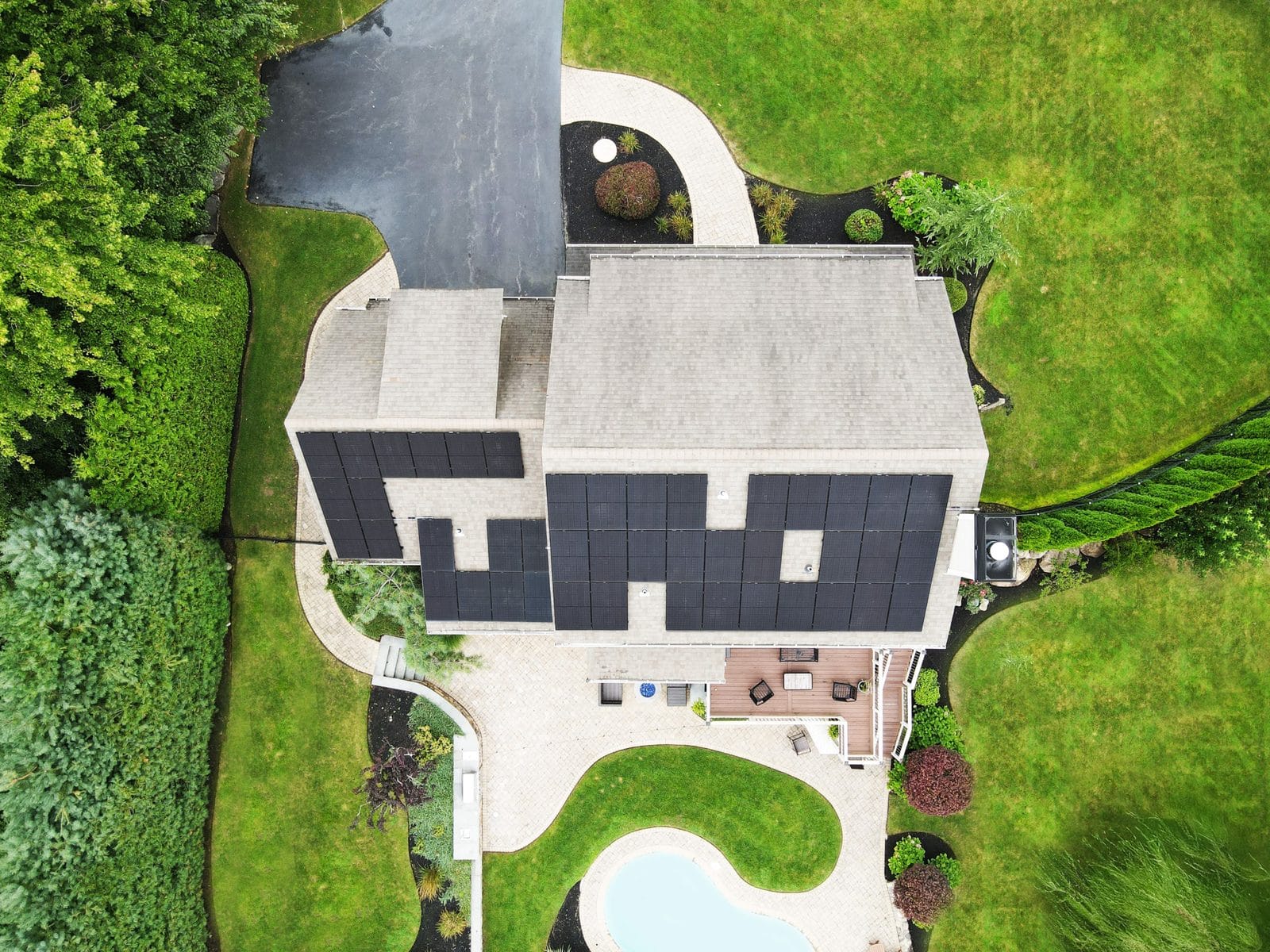
While electric supply rates like LRS are set and beyond direct negotiation, homeowners have control over how much electricity they draw from the grid. Rooftop solar systems offer an effective way to offset electricity usage and reduce exposure to rising supply charges.
Rhode Island Net Metering Explained
Rhode Island’s net metering policy allows solar homeowners to earn credits for any excess electricity their systems generate and send back to the grid. These credits offset the electricity consumed from the utility, so customers pay only for the net amount of energy used. This arrangement can help reduce utility bills that include supply charges like LRS.
Battery storage can complement solar by storing surplus energy for use during times when the sun is not shining, further increasing energy independence.
Rooftop Power offers no money down financing options, making solar installations more accessible to homeowners.
If Solar Is Not Right for You Yet
Several Rhode Island Energy programs support customers facing higher electric costs:
- Budget Billing smooths payments over time so bills are more predictable.
- Home Energy Assessment services are available at no cost to help identify energy-saving opportunities.
- Good Neighbor Energy Fund, Low Income Home Energy Assistance Program (LIHEAP), and the Low-Income Discount Rate provide financial help to eligible households.
More information and resources can be found at rienergy.com/toolkit.
Take Control of Your Energy Future Today
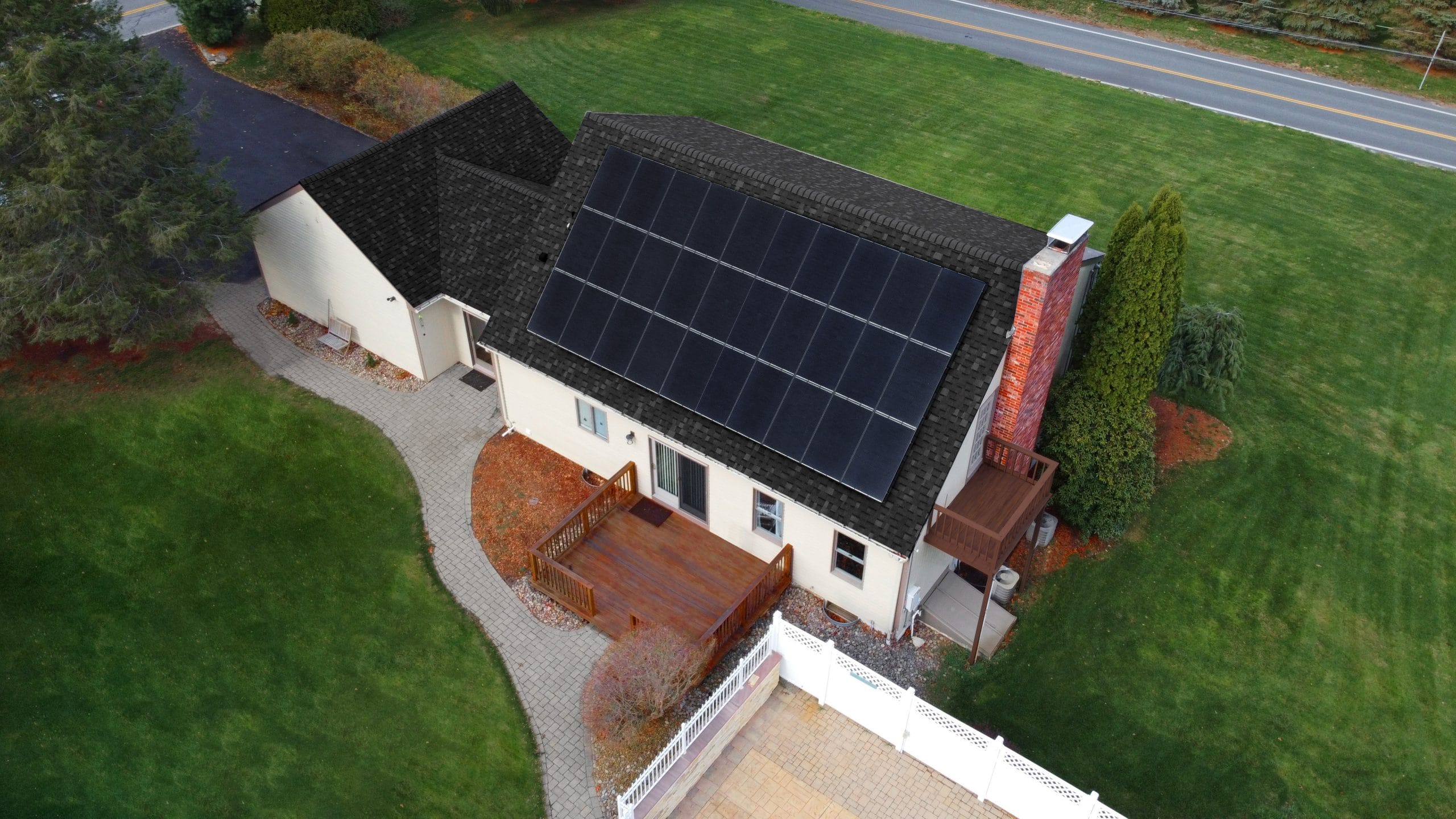
With electric supply prices on the rise, now is a good time to explore your options. Rooftop Power offers a free, no-obligation home solar assessment to help you understand how solar energy might fit your needs and reduce your exposure to increasing supply costs.
Get Your Free Solar Assessment Today
Contact Rooftop Power to schedule your complimentary solar evaluation and take control of your electric bills.
Thinking about solar for your home?
Get a free, no-pressure quote with the real numbers for your roof, in writing.