
4,000+ projects. 4.8 stars on Google. Solar, battery, roofing, EV and standby power, installed by one team from your first quote to the final inspection.
There is no one right way to go solar. There is the right way for your house, your bills and your plans. Four options, three with nothing down, and we show you the real math on each before you sign anything.
You finance the system with a fixed monthly payment, usually at or below what the utility charges you today. The payment never rises the way a utility rate does, and when the loan is done the production is all yours. We put the loan terms and the production estimate next to your current bill, line by line, before you sign.
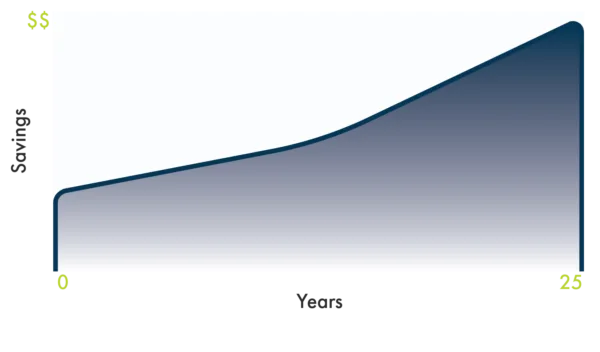
One payment, no financing costs, and the shortest path to an electric bill that hovers near zero. Cash buyers see the strongest lifetime return of any option. We show you the full payback math for your actual usage before you decide anything.
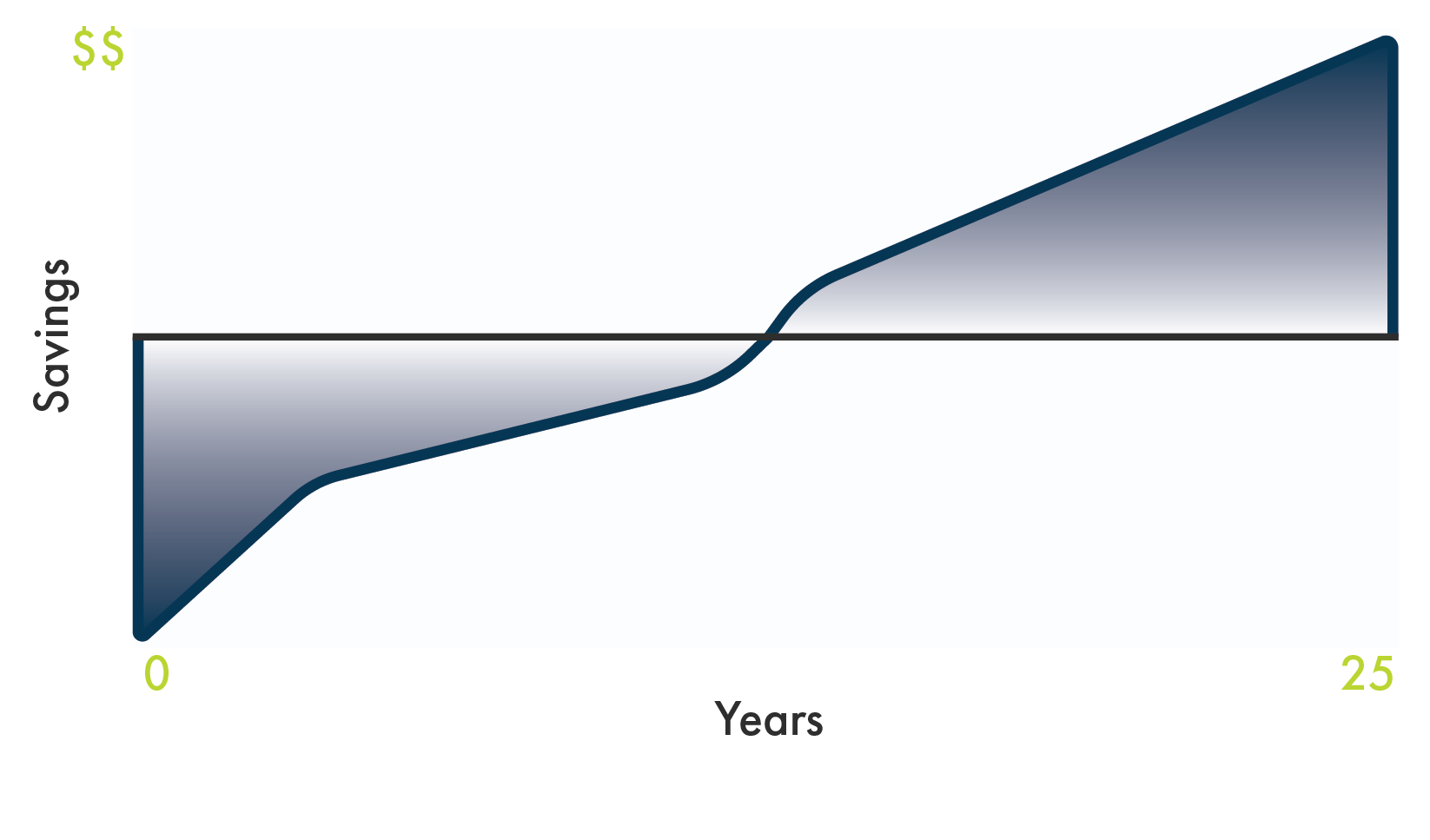
You pay only for the power the system produces, at a rate below the utility’s, and the system is owned and maintained for you. Nothing to service, no surprise costs, one simple number per kilowatt hour. If you want solar savings without owning equipment, this is it.
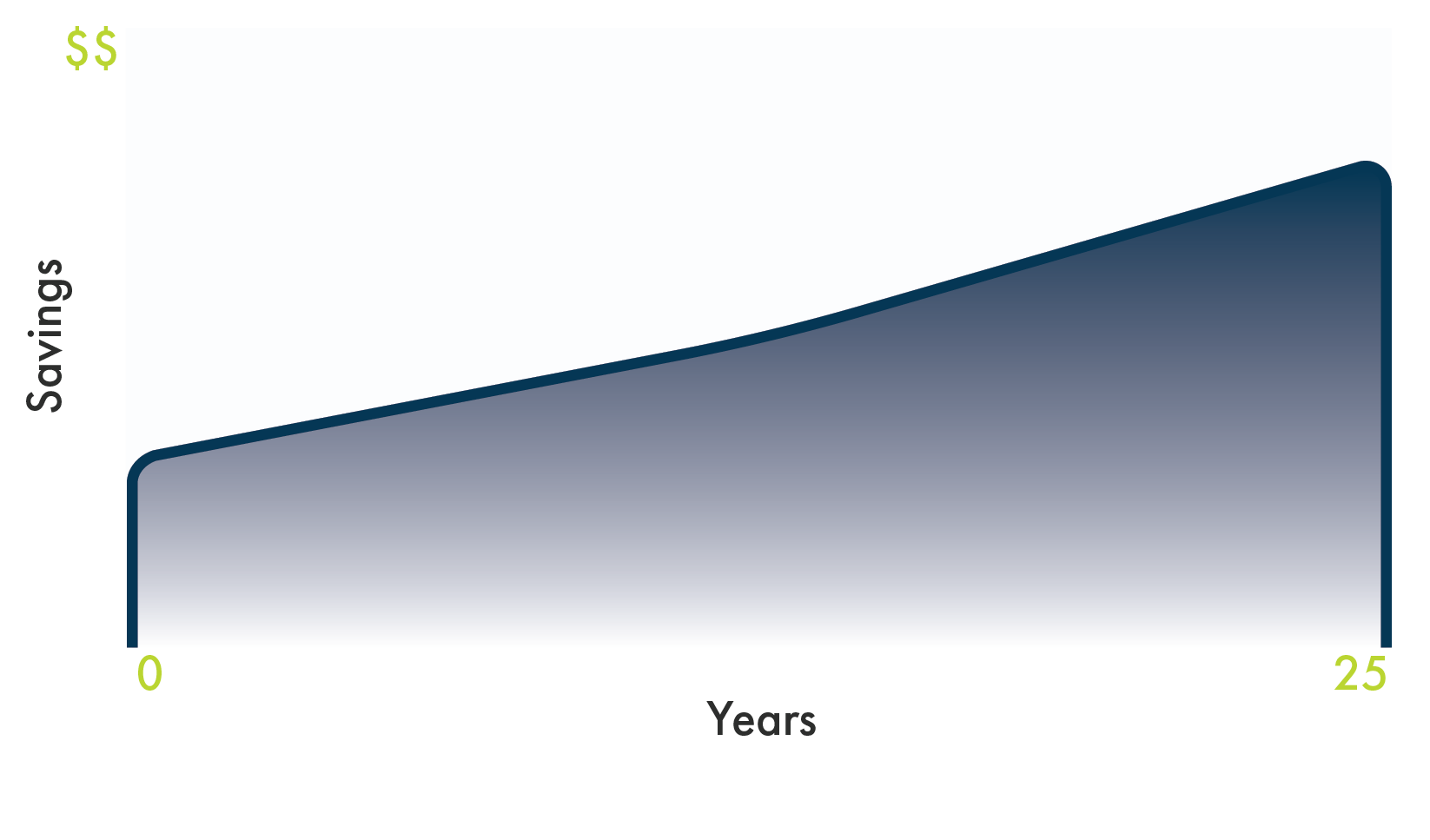
A flat, predictable monthly payment for the system on your roof, with insurance and maintenance included. There is no income requirement and no minimum credit score, which makes the lease the most accessible way into solar we offer.
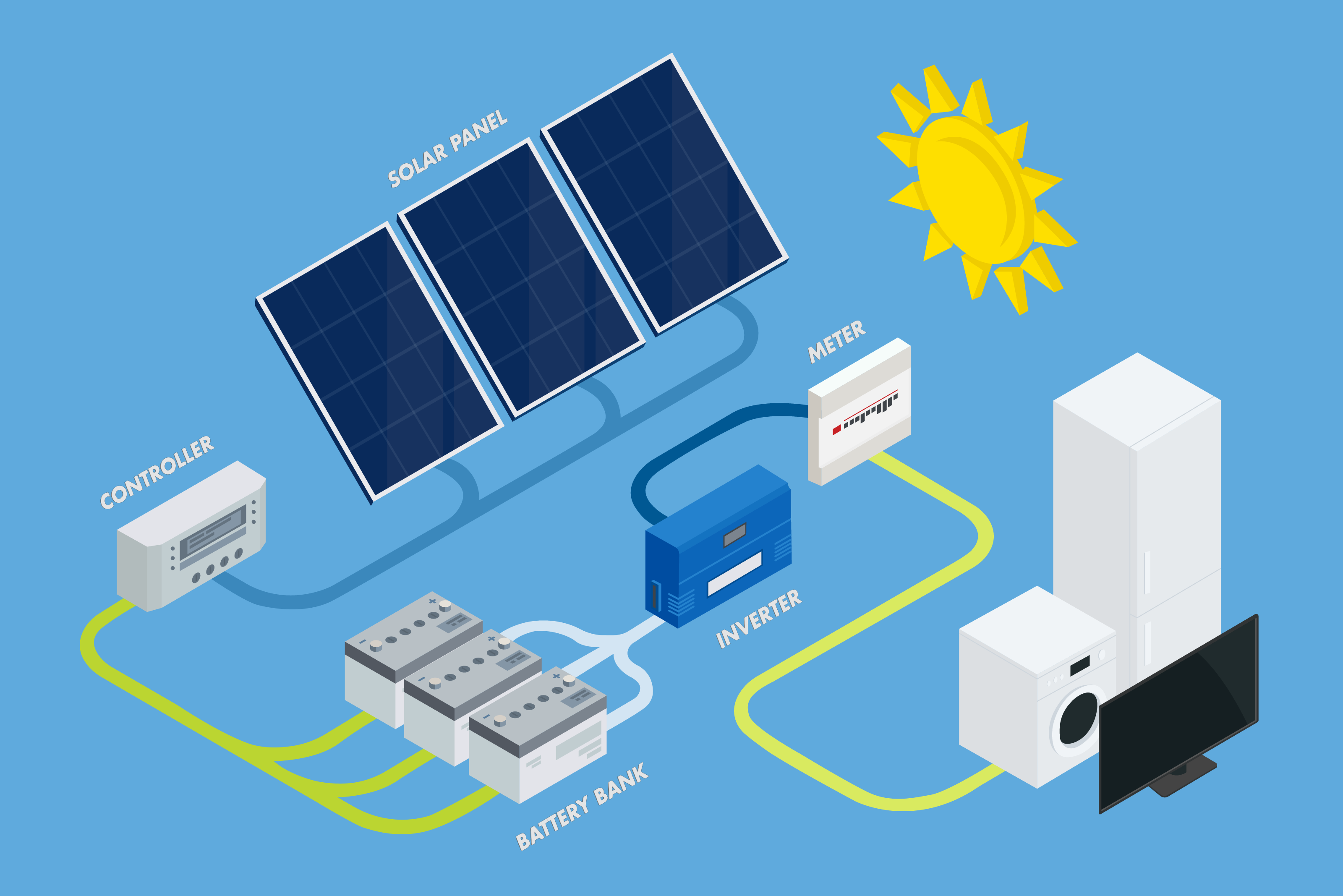
Here at Rooftop Power we believe solar is simply how New England homes will run, and the numbers back it up: over a million American households have already made the switch. Utility rates across Rhode Island, Massachusetts and Connecticut have climbed year after year, while the cost of producing power from your own roof has never been lower.
Solar is not right for every house, and we will tell you when it is not. But for most single-family homes in our service area, the math now favors the roof.
Every kilowatt hour your roof produces is one you do not buy at the utility’s rate. Their price keeps moving. Yours is set the day the system turns on.
Generate your own power and lean on the grid less. Add a battery and the essentials keep running when the grid goes down.
Buyers pay more for a home with a locked-in power cost. Study after study confirms solar homes sell for a premium.
A typical home system offsets tons of carbon every year. Real, measurable impact from your own roof.
Net metering in all three states, plus programs like Renewable Energy Growth in Rhode Island and SMART in Massachusetts. We tell you exactly what your home qualifies for.
Panels are more efficient, warranties longer and monitoring smarter than ever. This is not the solar of 2010.
Pulled straight from our Google profile. Updates automatically as new reviews come in.
Loading the latest reviews…
Estimated totals across every completed Rooftop Power project in Rhode Island, Massachusetts and Connecticut.
Solar is the headline, but the same in-house crews handle everything around it: the roof, the battery, the backup power and the charger in the garage.
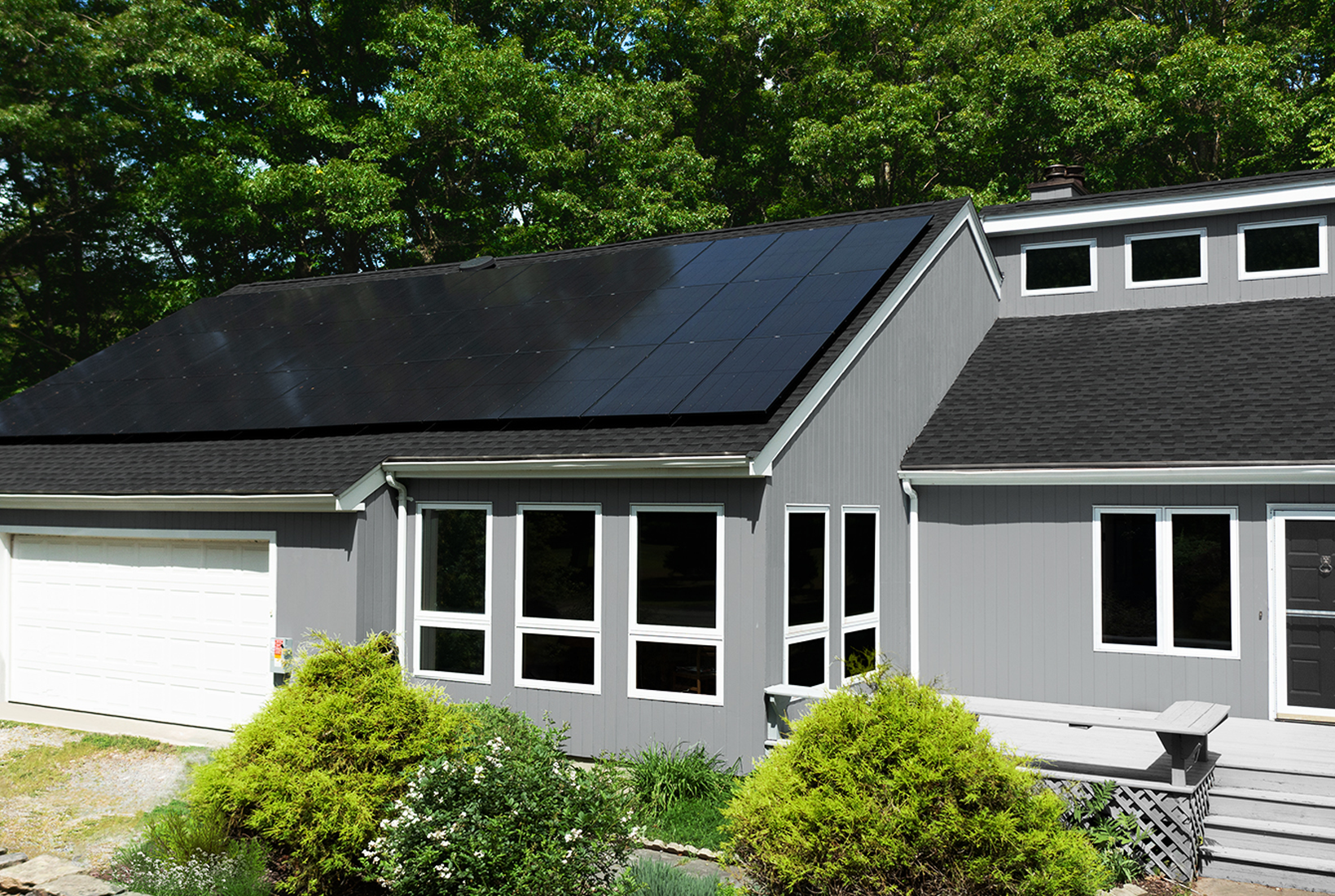
Custom-designed home systems, from the first bill review to the day it switches on.
Learn More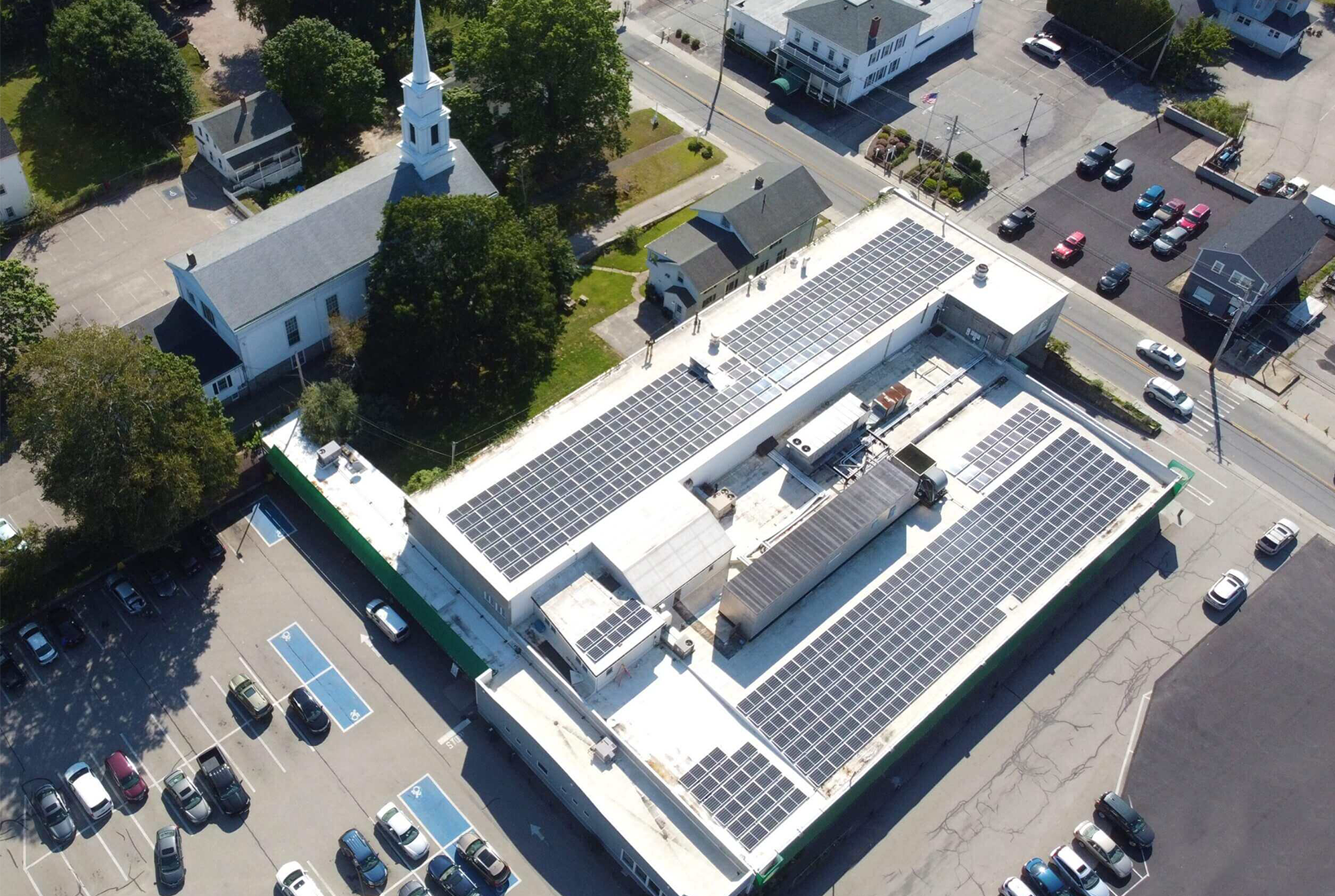
Cut operating costs with an array sized to your building and how it actually uses power.
Learn More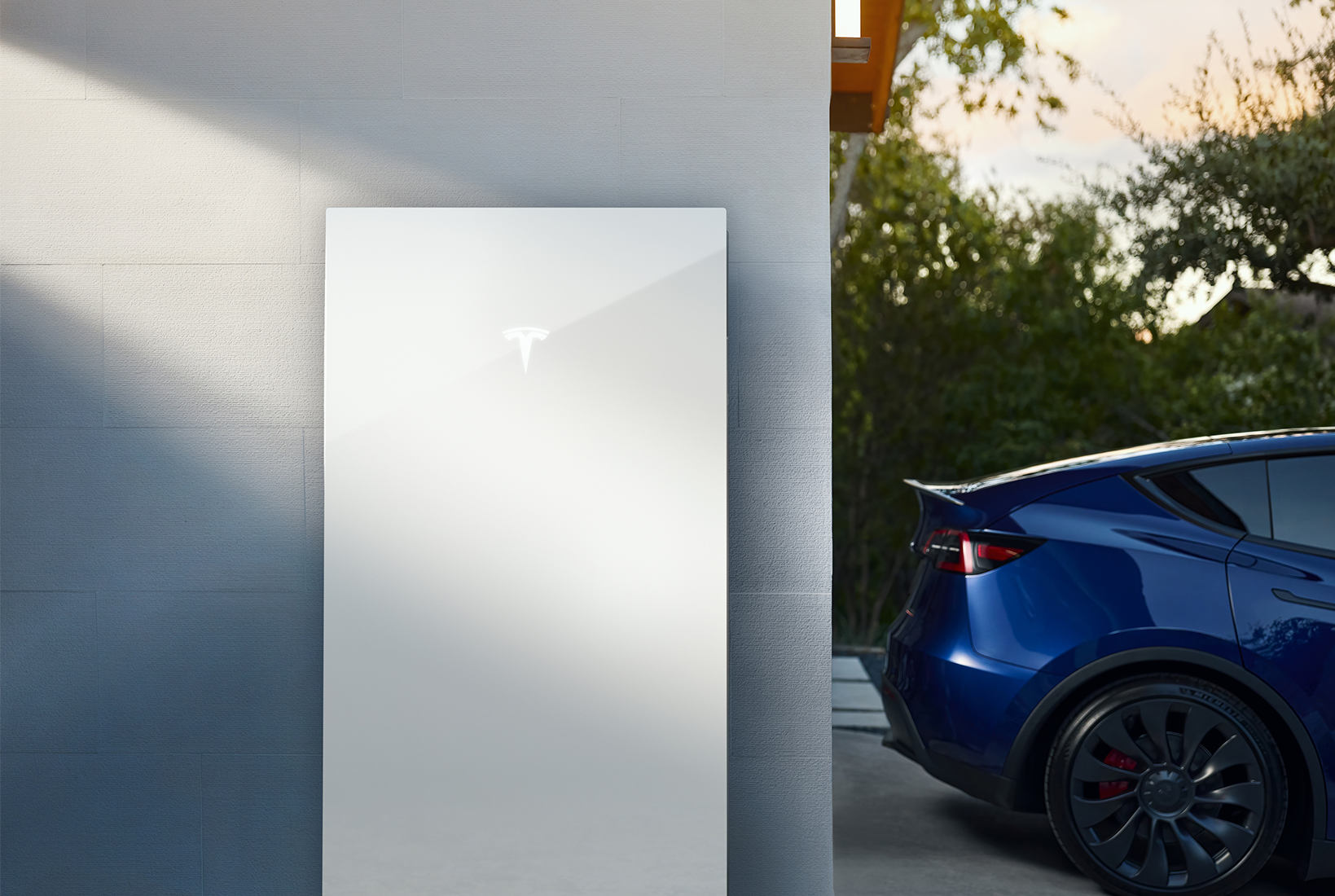
Store your surplus and keep the essentials running when a storm takes the grid down.
Learn More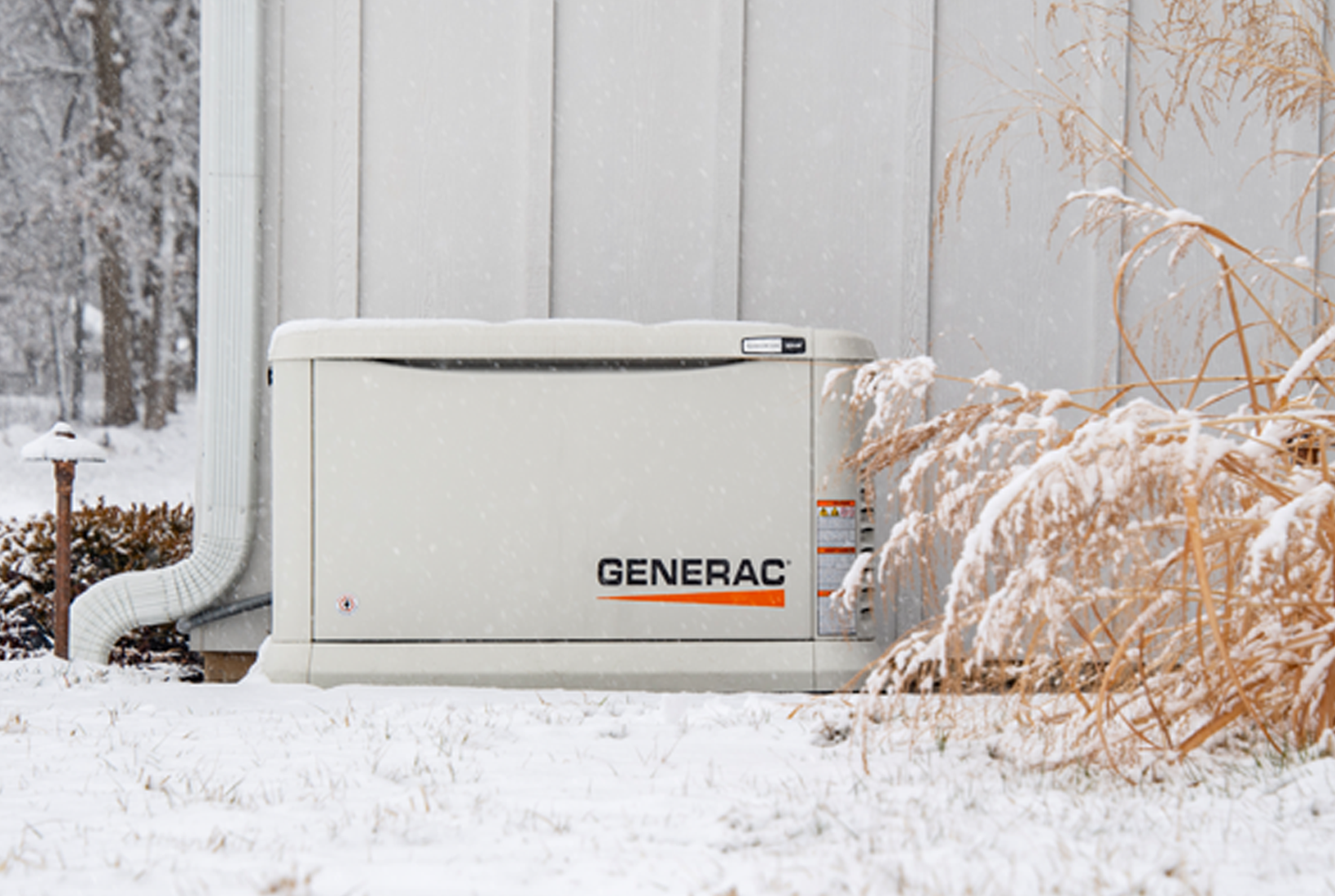
Whole-home standby backup for the long outages a battery is not sized to cover.
Learn More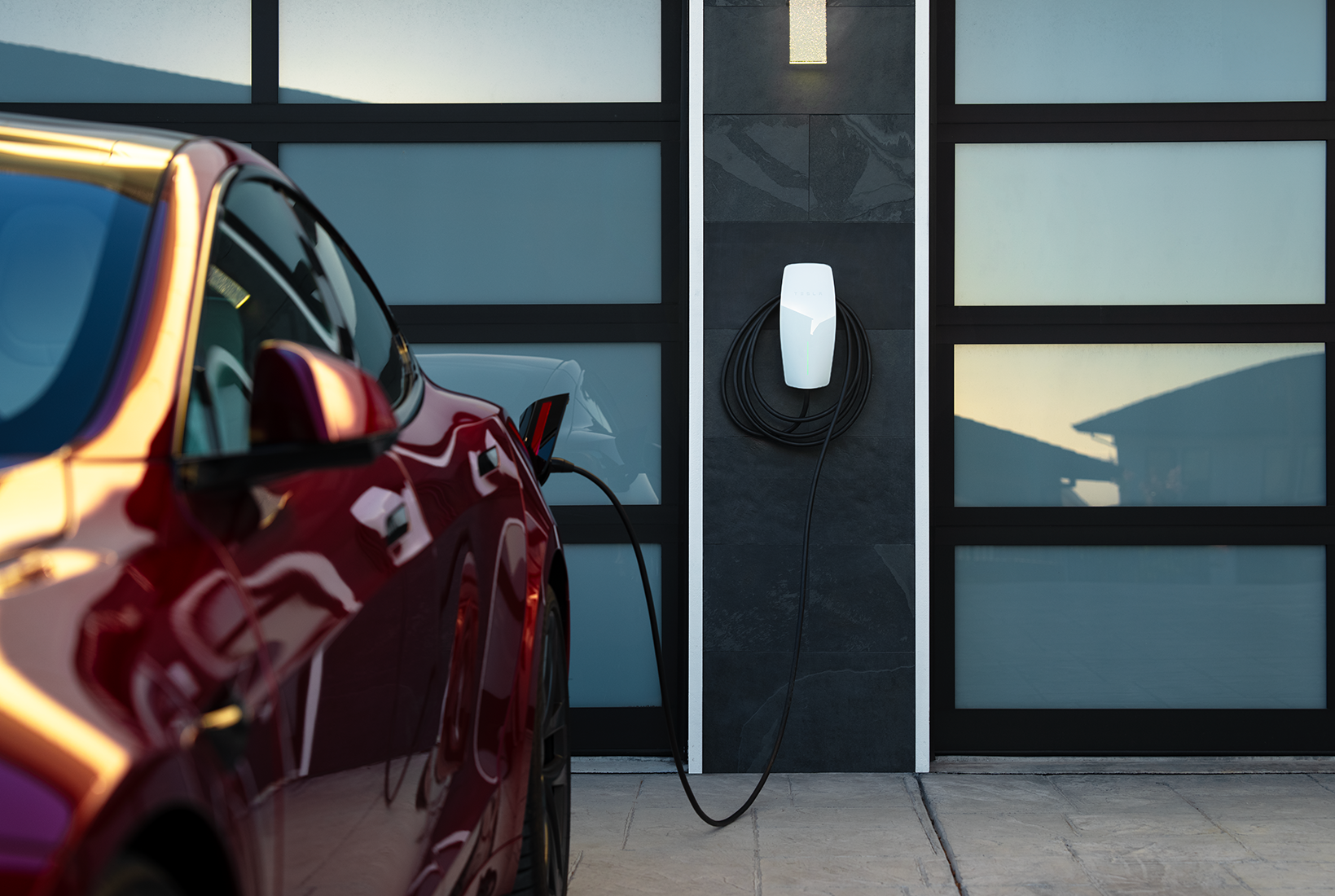
Charge at home on your own rooftop production instead of retail utility rates.
Learn More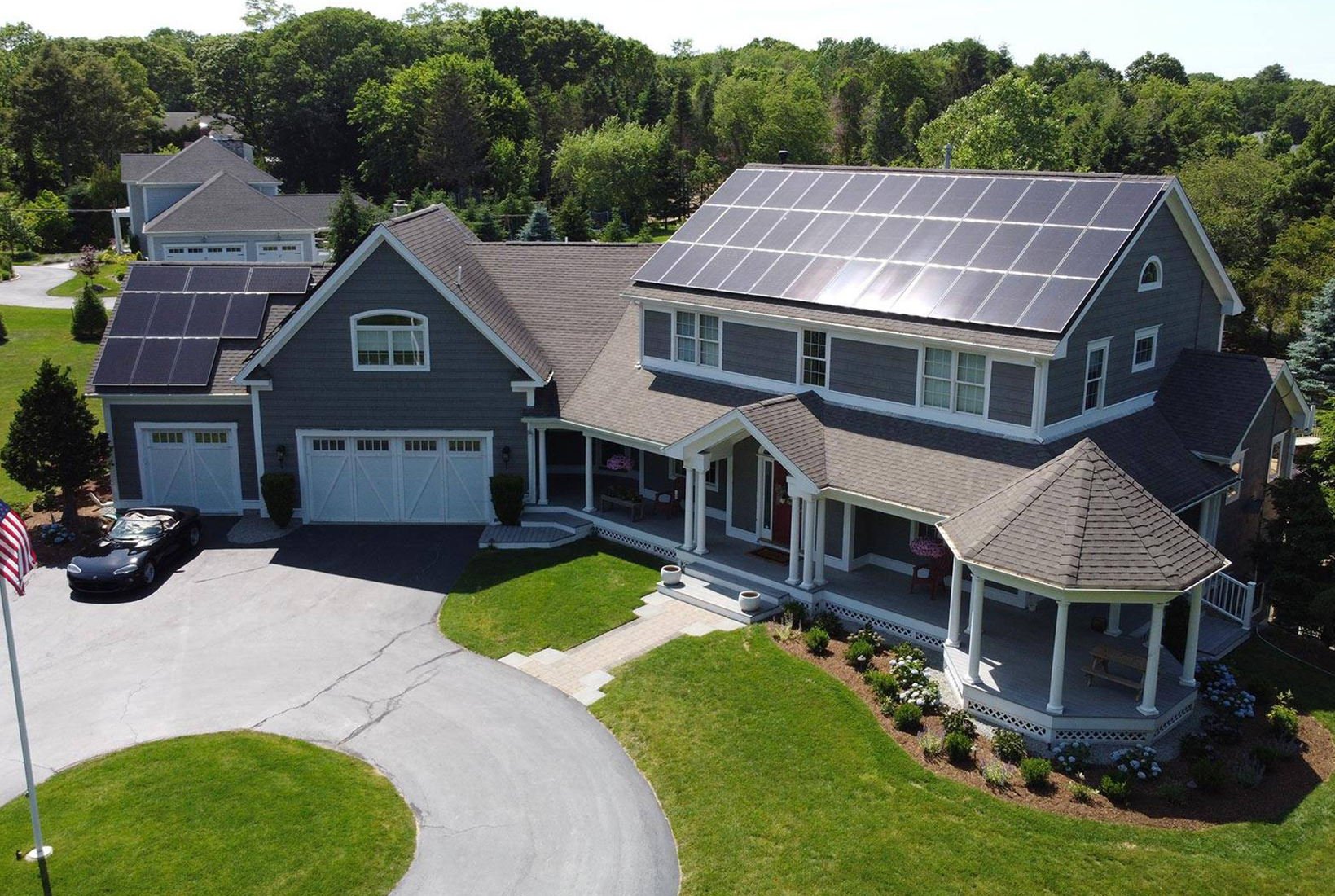
Expand an existing array, add panels or upgrade monitoring as your usage grows.
Learn More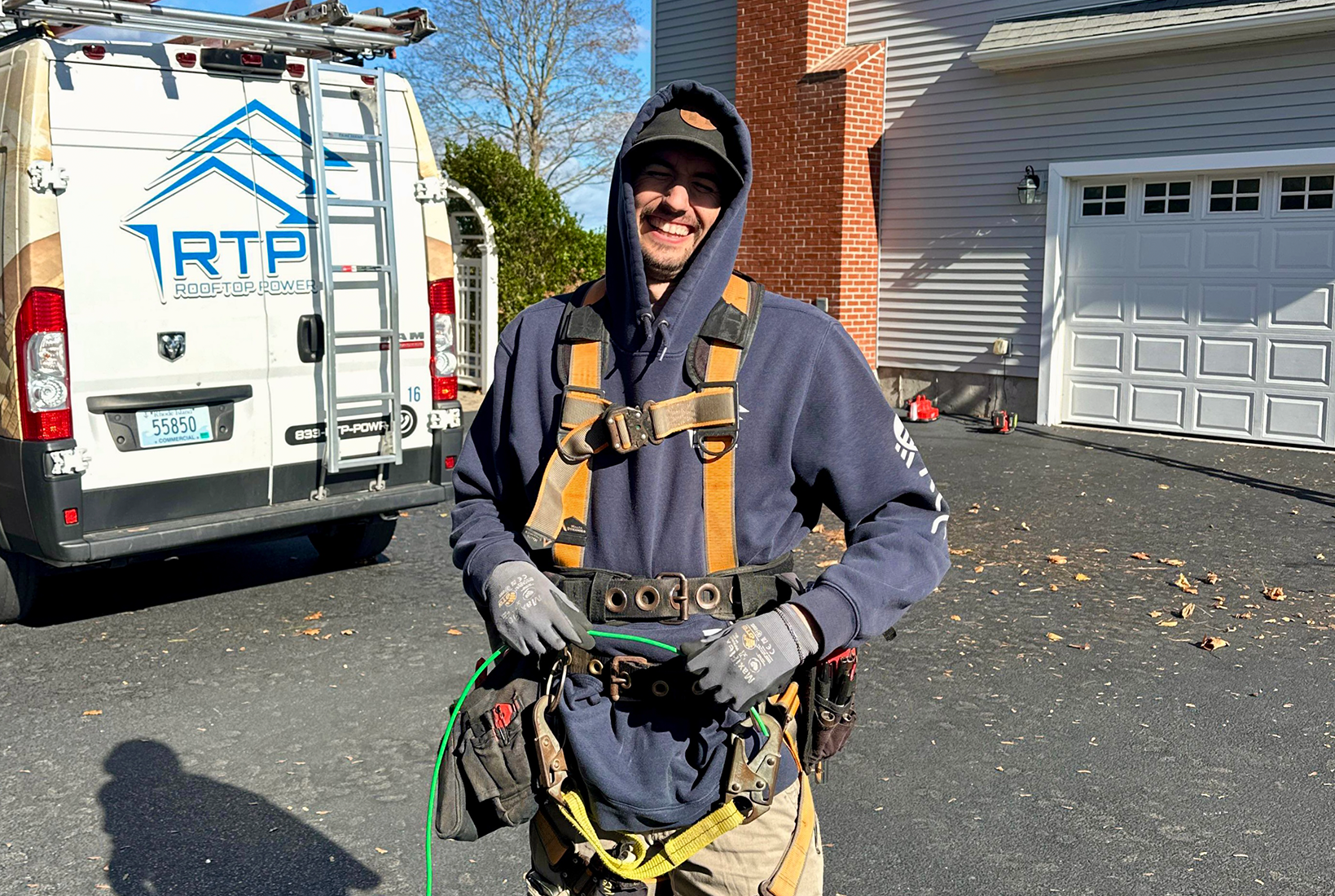
New roof under existing panels? We remove, protect and reinstall the system safely.
Learn More
Keep your system producing at its best with local technicians, year after year.
Learn More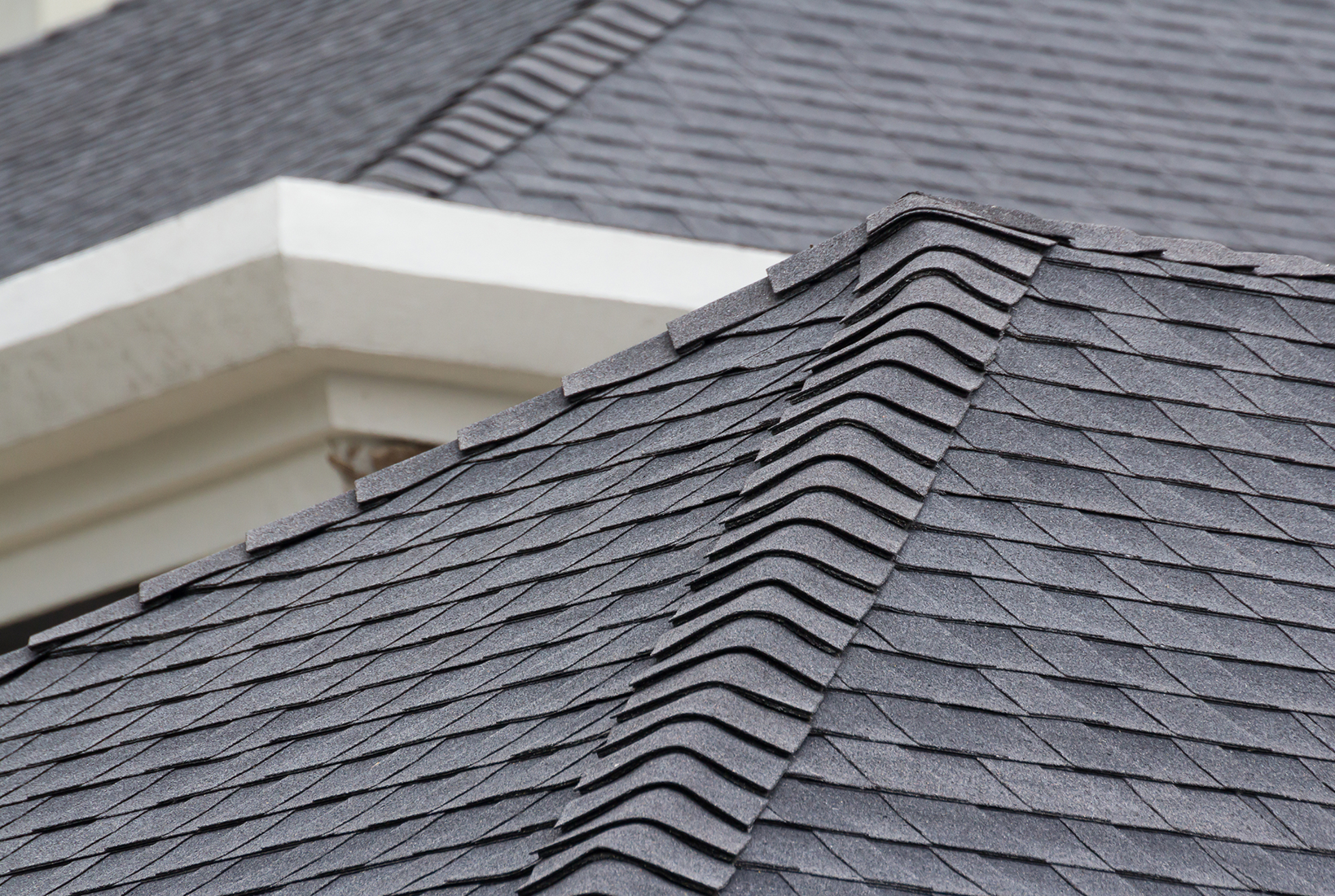
Roof replacement and repair handled in house, often as part of the same project.
Learn MoreSix steps, one team, zero chasing. The same process on every job, run by our own people from your first bill review to activation day.
A straight conversation about your bills, your roof and whether solar makes sense for your home. You get prequalified quickly, with no pressure and nothing owed.
Our own team comes out, measures the roof, checks the framing and the electrical panel, and confirms every design assumption on site.
Engineers finalize the layout and the production model. You approve the design before anything else moves.
We pull the local building permit and file the utility interconnection paperwork. This is where projects stall with other companies. Ours does not.
Our own electricians and roofers install the system, never subcontractors. Most homes take one to three days.
The town and your utility sign off, we switch the system on, and your new billing begins. We stay your point of contact long after.
Rooftop Power is a family-owned solar and roofing company headquartered on West Natick Road in Warwick, Rhode Island, founded in 2017. We are dedicated to helping homeowners across Rhode Island, Massachusetts and Connecticut cut their monthly electric bills and build a more sustainable future.
What makes us different is simple: our crews are our employees. The electricians, roofers and installers on your property work for Rooftop Power, and our knowledge of the local market means you get every rebate and incentive your home qualifies for.
We publish our install counts town by town, because local proof beats promises. Find yours, or compare the best solar companies in Massachusetts.
The honest version of the questions every homeowner asks, written by the people who do the installs.
Everything a first-time solar buyer should know, in plain English.
Read MoreHow your surplus power turns into credits on your bill.
Read MoreThe 2026 programs that actually change your solar math.
Read MoreThe honest version of the savings question.
Read MoreWinter production, roof damage, maintenance and more.
Read MoreQuick answers on cost, timelines, warranties and process.
Read More