401-298-8040[email protected]275 W Natick Road, Suite 800, Warwick RI
Home / Battery Storage / Mass Save Battery Rebates & ConnectedSolutions Guide
Battery Storage

Mass Save Battery Rebates & ConnectedSolutions Guide

Hyrum BondAugust 5, 202610 min read

As homeowners increasingly seek ways to enhance energy efficiency and support renewable energy initiatives, the understanding of battery storage rebates in Southern New England becomes paramount. The Mass Save program, along with the ConnectedSolutions initiative, provides financial incentives for the adoption of home battery storage systems. This guide will clarify eligibility criteria, application processes, potential savings, and the underlying mechanics of these programs. Many homeowners might be unaware of the significant financial incentives available, making it vital to explore how participants can benefit from these offerings. Throughout this article, we’ll map out essential topics, from eligibility and application steps to the financial and environmental benefits of battery storage systems.

Eligibility Criteria

To qualify for battery storage rebates from the Mass Save program, homeowners must meet specific criteria. These eligibility requirements often include having a compatible battery storage system installed by a certified professional and ensuring compliance with local utility regulations. It’s essential to understand that eligibility can differ from one utility provider to another, which necessitates careful review of your provider’s specific terms. Homeowners should also collect necessary documentation, such as proof of purchase and installation verification, as these are often prerequisites for applying for the rebate, ensuring that the process flows smoothly.

Application Steps

Navigating the application process for battery storage rebates can feel overwhelming, but clarifying each step can simplify the journey. Here’s a concise breakdown:

  1. Initial Assessment: Homeowners should assess their energy needs to determine the most suitable battery system.
  2. Choosing Certified Installers: It is crucial to select approved contractors who can install the battery storage solutions according to the rigorous standards set by the Mass Save program.
  3. Documentation Preparation: Prepare all necessary documentation for the rebate application, including energy assessments, purchase orders, and the details from the installation.

By following these steps meticulously, homeowners can streamline the application process and enhance their chances of successfully securing rebates.

Potential Savings

Homeowners could find significant monetary benefits through various incentive programs connected to battery storage systems. The Mass Save program offers rebates that can mitigate the upfront costs of purchasing and installing home battery systems. Participants in the ConnectedSolutions program receive $275 per kilowatt (kW) for their battery’s average contribution during summer events, which run on non-holidays between June 1 and September 30, from 3:00 p.m. to 8:00 p.m. A fully-enrolled system can be called on up to 60 times per summer, with each event lasting up to three hours. Additionally, homeowners can benefit from net metering and Smart (SMART) program advantages, yielding further reductions in their energy expenses. Source: Mass Save, Battery Storage / ConnectedSolutions program page, retrieved August 5, 2026.

Incentive Program Benefit Eligibility Criteria
Mass Save Battery Rebates Financial savings on initial installation costs Homeowners with installed battery systems
ConnectedSolutions (MA battery) $275 per kW for average contribution during summer peak events (Jun 1-Sep 30, 3-8pm) Existing Cape Light Compact, Eversource, or National Grid customer; qualifying battery/inverter
SMART Program Continued financial incentives for solar energy integration Homeowners with connected solar systems

The synergy of these programs allows homeowners to reduce expenses while simultaneously contributing to a more sustainable grid.

Related Reading

What Are Mass Save Battery Storage Rebates and How Do They Work?

Mass Save battery storage rebates are designed to subsidize the costs associated with home battery storage systems, providing homeowners with financial incentives to install these technologies. The rebate structure typically varies based on the capacity of the battery systems and their alignment with energy efficiency goals. The overall process allows for rebates to be applied directly at the point of sale or rebated after installation, easing the financial burden on homeowners capitalizing on energy savings through renewable resources.

Who Is Eligible for Mass Save Battery Storage Rebates in MA, RI, and CT?

Eligibility for the Mass Save battery storage rebates is generally open to homeowners who reside in Massachusetts, Rhode Island, and Connecticut. However, specific eligibility requirements may vary by state and local utility provider, which can have particular stipulations regarding documentation and installation standards. Residents must ensure that they meet not only the general requirements of the program but also any unique criteria set forth by their local utilities. Documentation, such as installation confirmations and proof of purchase, is essential for the application process.

What Are the Steps to Apply for Battery Storage Rebates?

Homeowners should follow a systematic approach to apply for battery storage rebates effectively. The steps include:

  1. Conducting an Energy Assessment: Understanding your energy consumption will guide you in selecting the proper battery storage solution.
  2. Selecting a Certified Installer: Utilize approved contractors for installation to meet program guidelines.
  3. Compiling Necessary Documentation: Gather installation receipts, purchase orders, and proof of any previous assessments required.

By diligently following these steps, homeowners can enhance their chances of receiving the rebates they deserve.

How Does the ConnectedSolutions Program Support Residential Battery Storage?

The ConnectedSolutions program is designed to enhance the rewards individuals receive from their home battery storage systems by promoting their integration into the energy grid. Participants in the program can benefit significantly from financial incentives for participating in demand response strategies, enabling them to discharge their stored electricity when the grid requires it the most. This service contributes not only to potential savings for the homeowner but also supports overall grid stability.

What Requirements Must Participants Meet for ConnectedSolutions Enrollment?

To enroll in ConnectedSolutions, homeowners must meet specific conditions, including having a qualifying battery storage system installation meeting utility regulations and installation standards. Participants are generally required to sign agreements that outline the operational expectations of the program, including details of connection to the grid and requirements for energy discharge. Furthermore, ensuring compliance with any local codes, regulations, and utility provider stipulations is vital for successful enrollment.

What Are the Benefits of Participating in ConnectedSolutions Demand Response?

Participating in the ConnectedSolutions Demand Response program offers numerous advantages for residential homeowners. The most prominent benefit is financial compensation for allowing the grid to utilize stored electricity during peak demand times. This not only helps to stabilize the grid during high usage periods but also ensures that participants can monetize their battery storage capacity. Additionally, participants enjoy the benefits of increasing their energy efficiency and maximizing their overall investment in battery technology.

How Do Battery Storage Rebates Vary Across Massachusetts, Rhode Island, and Connecticut?

Battery storage rebates can differ significantly based on the state, reflecting the varying energy policies and utility models in each region. Massachusetts typically offers more robust incentives compared to Rhode Island and Connecticut, but differences in utility provider programs can further impact availabilities and amounts. Homeowners should consider these variances and carefully review the specifics of each state’s programs to understand the full range of financial supports available.

What Are the Current Rebate Amounts and Application Deadlines by State?

Each state has its own rebate amounts and deadlines which are crucial for homeowners to be aware of. Currently:

  • Massachusetts: Offers substantial rebates; details vary by installation size.
  • Rhode Island: Slightly lower rebates, requiring specific utility approvals.
  • Connecticut: Focus on smaller installations with a different incentive structure.

Prospective applicants should regularly check state-specific resources for current rebate amounts and crucial application deadlines.

How Do Regional Utility Providers Influence Battery Incentives?

Utility providers play a vital role in shaping battery incentives, often determining the specific rebate structures and eligibility requirements. In general, larger companies may provide more substantial incentives owing to varied funding mechanisms for energy efficiency programs. Understanding the influence of different utility companies and their particular requirements is critical for homeowners looking to navigate through the rebate landscape effectively.

What Are the Financial and Environmental Benefits of Home Battery Storage?

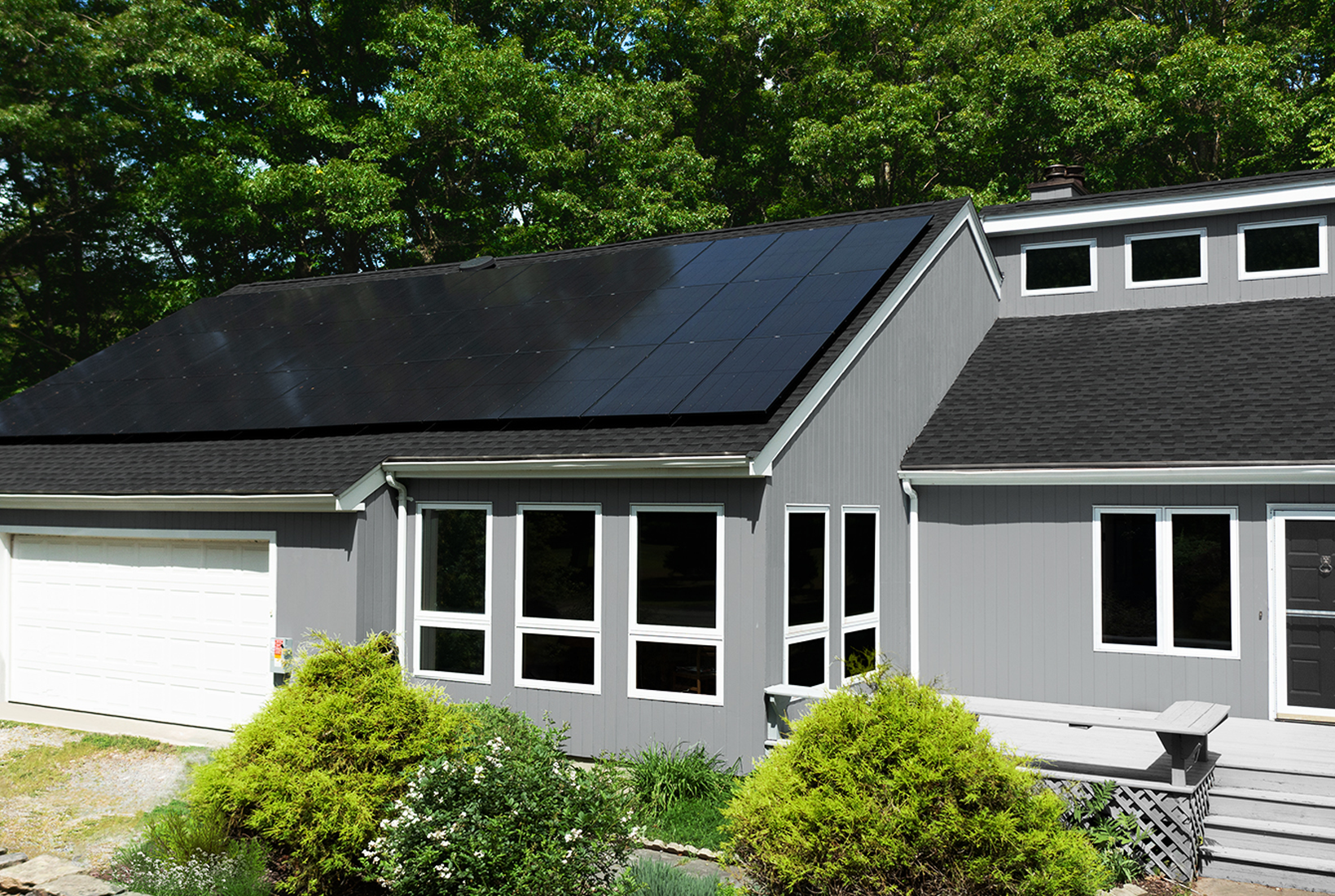
Close-up angle of an all-black solar panel array on an asphalt shingle roof, with fall foliage and blue sky in the background, RTP logo visible in corner.

Investing in home battery storage systems promises significant financial and environmental advantages. Financially, these systems can substantially reduce energy costs by allowing homeowners to utilize stored energy during peak demand periods when electricity prices typically rise. Environmentally, the use of battery storage enables a greater integration of renewable energy sources such as solar, leaving a smaller carbon footprint by minimizing reliance on fossil fuels.

How Can Battery Storage Improve Energy Efficiency and Reduce Costs?

Home battery storage systems enhance energy efficiency by enabling homeowners to generate and store energy when it is least expensive, utilizing it during higher-rate times. This practice not only leads to lower energy bills but also helps combat the volatility of fossil fuel prices. Furthermore, homeowners can gain from the reduction of peak demand charges, translating to significant overall savings.

What Role Does Battery Storage Play in Supporting the Regional Grid?

Battery storage serves a crucial function in stabilizing the regional energy grid. By acting as a buffer, it assists in balancing the load during peak demand periods, thereby preventing blackouts and promoting energy reliability. Furthermore, the seamless integration of renewable energy sources through storage systems helps keep the grid resilient and fully operational, contributing to overall energy security.

How to Compare and Choose the Best Residential Battery Storage System Incentives?

When assessing battery storage system incentives, homeowners should focus on various factors that influence their decision-making process. These include understanding the total cost of ownership including installation, operational costs, and potential rebates available. Homeowners might also explore the long-term savings generated by each system, compatibility with existing technologies, as well as solar energy integration options.

What Factors Should Homeowners Consider When Selecting Battery Storage Programs?

Key considerations for homeowners include:

  1. Program Features: Evaluate what each program offers in terms of rebates and savings.
  2. Eligibility Criteria: Understand the requirements necessary to qualify for each incentive.
  3. Financial Implications: Assess the long-term financial benefits of program participation and battery storage investments.

These factors can significantly shape the homeowner’s experience and success in adopting battery storage technologies.

Where Can I Confirm Current Program Numbers?

Incentive rates and program terms change from year to year. Rather than relying on a fixed savings figure, confirm the numbers that apply to your specific enrollment window directly with Mass Save or your utility before making a decision.

Where to Find Updated Information and Apply for Battery Storage Rebates in 2026?

To stay informed about changes in the Mass Save battery storage rebate program and ConnectedSolutions, homeowners should look to official resources that constantly update their information. Websites maintained by state energy offices or local utility providers frequently provide details about application processes, current rebate amounts, and deadlines. Understanding these resources thoroughly ensures that homeowners have access to all necessary information, allowing for timely applications and maximizing compensation opportunities.

Which Official Resources Provide the Latest Program Updates and Deadlines?

For the latest program information, homeowners can rely on:

  • Mass Save ConnectedSolutions Battery Storage page: Official current incentive rate, event windows, and eligible equipment.
  • Local Utility Provider Websites: Frequently updated to reflect specific rebates and eligibility requirements.
  • State Energy Offices: Provide overarching coordination of energy programs, including battery storage incentives.

By utilizing these resources, individuals can ensure they remain current on the evolving landscape of battery storage incentives, enhancing their ability to make informed decisions.

What Are the Best Practices for a Successful Rebate Application?

Successfully navigating the application process for rebates requires careful consideration and adherence to best practices. Homeowners should focus on two main areas: ensuring proper documentation and following up after submissions.

  1. Documentation Requirements: Collect all necessary paperwork, including receipts and proof of installation, before submitting the application.
  2. Common Pitfalls to Avoid: Be mindful of missing documents that could delay the application process. Ensuring all steps are completed will enhance the likelihood of approval.

By adhering to these best practices, homeowners can maximize their chances of successfully securing financial assistance through Mass Save and ConnectedSolutions programs.

About Rooftop Power

Rooftop Power is a New England solar company based in Warwick, Rhode Island, installing residential solar across Rhode Island, Massachusetts and Connecticut with its own in-house crews. To ask questions or schedule a free consultation, call (401) 298-8040 or get a free quote.

Get Your Free Solar Quote

Get your free savings report from your local RI, MA and CT team.

Your info is private. We never sell your data.

Thinking about solar for your home?

Get a free, no-pressure quote with the real numbers for your roof, in writing.

Get My Free Quote
Share this article
Get QuoteCall Now